
Many patients ask whether a facelift alone is enough or whether the neck should be treated at the same time. The answer depends on where the ageing changes sit.
The face and neck usually age together
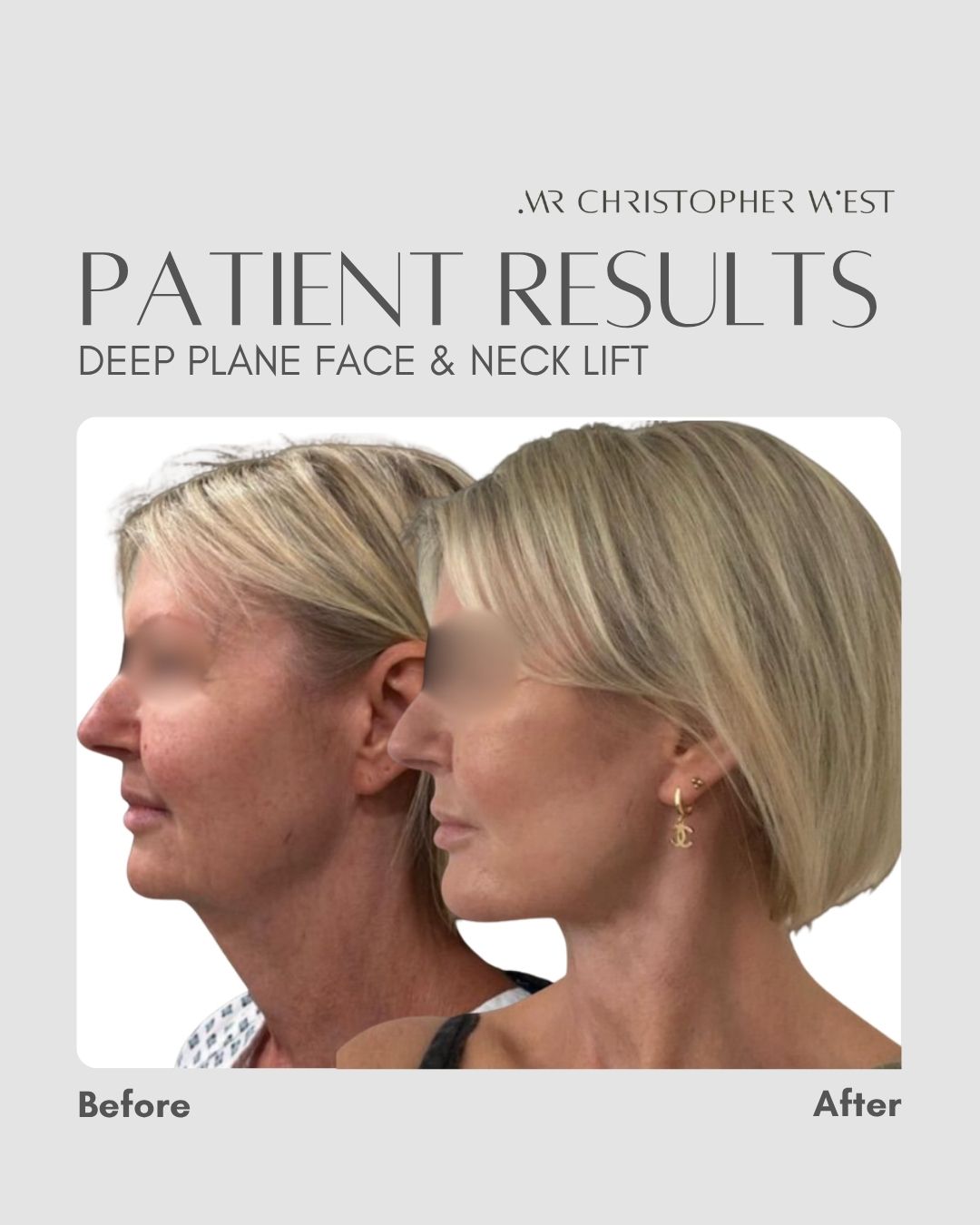
One of the most common questions people ask at consultation is this. If I am thinking about a facelift, do I also need a neck lift?
The answer is that it depends on what is bothering you and where the ageing changes sit. For many patients, the face and neck do not age in isolation. The jawline softens, jowls begin to form, the skin under the chin loosens and vertical neck bands can become more obvious. If only one part is treated, the other may still look out of step.
That is why a neck lift is often carried out alongside a facelift. The aim is to treat the lower face and neck as one connected area so the result looks balanced and natural.
If you are still deciding which approach may suit you, you can also read more about face and neck lift surgery, deep plane facelift and neck lift and how the face and neck age over time.
What a facelift treats and what it does not
A facelift is designed to address ageing in the lower face. That usually includes jowls, loss of jawline definition and descent through the cheeks and lower face. Depending on the technique used, it can also improve the transition into the upper neck.
What it does not always do well is deal with neck-specific concerns in a full and lasting way. If the main issue sits under the chin or across the front of the neck, a facelift alone may not be enough.
You may still see:
- Loose skin below the jaw
- Vertical platysmal bands
- Fullness or excess fat under the chin
- A weak angle between the chin and the neck
- A neck that still looks older than the face
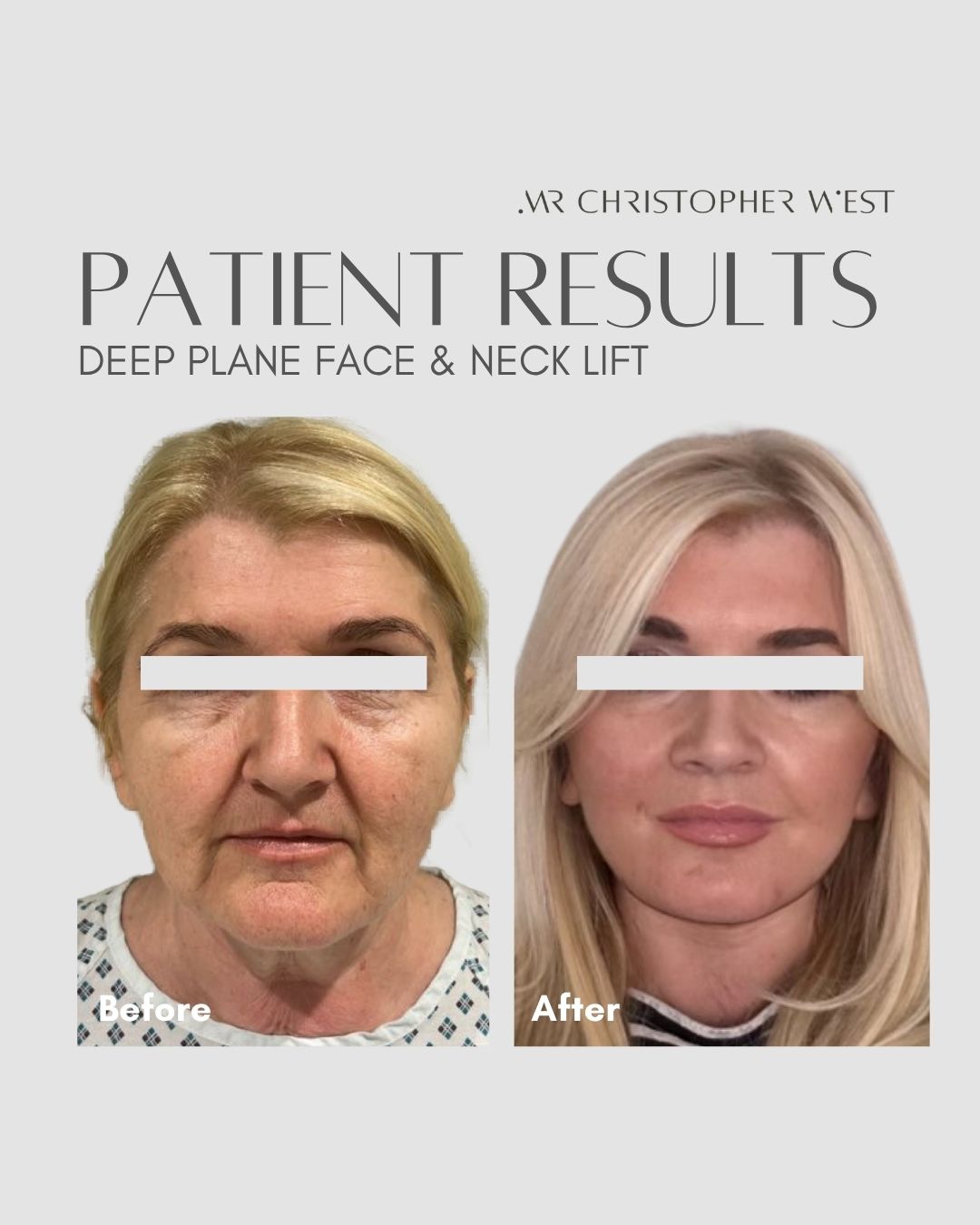
This is one reason patients can feel unsure after looking at facelift before and after photos online. They may like the lift through the jawline, but still feel drawn to the neck. In those cases, the better question is often “Do my face and neck need treating together?”
For a more detailed look at the deeper structures involved, our Anatomy of a Facelift page explains how the SMAS and deeper tissues are involved in facial ageing and lift surgery.
What a neck lift adds to the result
A neck lift focuses on the area below the jawline. That may involve tightening loose neck skin, addressing muscle banding and improving fullness under the chin, depending on the anatomy and the surgical plan.
Loose skin, banding and excess fat under the chin are the exact features a lot of patients notice in the mirror, especially in profile or on video calls.
When a neck lift is paired with a facelift, the whole lower face tends to sit together better. Instead of lifting the jawline and leaving the neck behind, both areas are treated in one joined-up plan. For the right patient, that aims to give a more defined neckline, a better angle between the chin and the neck and a more even result from face to neck.
Signs a neck lift may be needed with a facelift
- Loose or crepey skin under the chin
- Visible neck bands
- A heavier or blunted neck profile
- Jowls plus a sagging neck
- Good facial improvement on imaging or manual lift tests, but ongoing neck fullness
These are starting points. The right answer depends on your anatomy, skin quality, degree of tissue descent and what kind of result you want.
Why combined surgery often looks more natural
Patients often worry that having both procedures will create a result that looks overdone. In practice, the opposite is often true. Treating both areas together can make the outcome look more natural because the lower face and neck stay in proportion.
If the face is tightened and the neck still looks lax, the contrast can draw attention. If the neck is refined but the jowls remain heavy, the same thing can happen in reverse. A combined approach aims to avoid that mismatch.
This is also why many surgeons prefer to think in terms of facial harmony instead of one isolated feature. Ageing changes do not stop neatly at the jawline. They travel across the lower face and neck as one connected process.
You can see that same thinking throughout our face and neck lift page and in the FAQs, where the neck lift is described as something commonly performed alongside a facelift for harmonious results.
Facelift alone or face and neck lift, which is right for you?
This depends on the pattern of ageing and your goals.
A facelift alone may be enough if
Your main concern is the lower face, especially jowls and loss of jawline definition. Your neck still has a fairly good contour with minimal loose skin or banding.
A face and neck lift may be more suitable if
You are bothered by both jowls and the neck, particularly if there is visible laxity under the chin, neck banding or a loss of definition between the jaw and neck.
The short scar facelift is not designed to improve the neck. If your concern includes the neck, a face and neck lift is usually more appropriate. For patients researching surgery, that is one of the most useful distinctions to understand.
Why technique matters
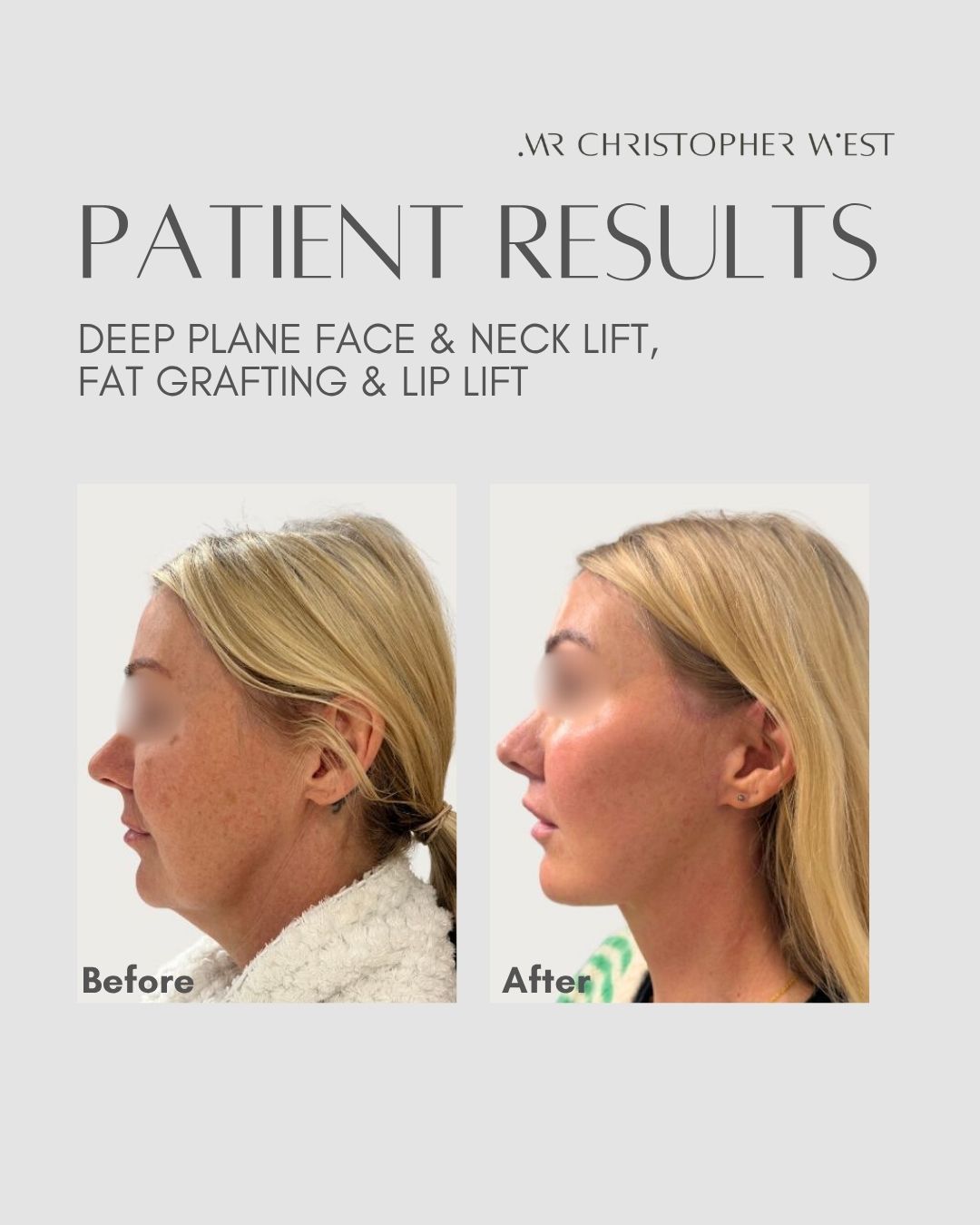
Not all facelift techniques address the same structures in the same way. This matters because the lower face and neck are shaped by more than just skin. Skin, fat, muscle and deeper support layers all play a part.
Mr West's preferred approach for a face and neck lift is the extended deep plane technique. This allows release of deeper ligaments and a lift without placing tension on the skin alone. For patients, the most important detail is this. A well-planned operation should deal with the source of the ageing change, not just pull the surface tighter.
If neck ageing is part of the picture, the neck itself also needs to be addressed properly. That may include work on the platysma and deeper neck structures as part of the surgical plan. This is one reason a true face and neck lift differs from a more limited lower face procedure.
To read more about this side of surgery, the deep plane facelift and neck lift page and Anatomy of a Facelift article are worth reading.
What about recovery?
Recovery is another question people ask early on. Many patients assume that adding a neck lift to a facelift creates a very different recovery. In reality, recovery depends on the exact surgery performed, the extent of correction, your health and how you heal.
Our face and neck lift page lists downtime at around 2 to 3 weeks, with return to exercise usually after 3 to 4 weeks. At consultation, the plan is discussed in more detail so you have a better idea of what applies to you.
Surgery should be planned around the result you want. A limited operation that leaves your main concern untreated is rarely the better route.

Questions worth asking at consultation
If you are thinking about facelift surgery and are unsure about the neck, these are good questions to raise during consultation:
- Are my concerns mainly in the face, the neck or both?
- Would a facelift alone leave my neck looking untreated?
- Do I have platysmal banding or loose neck skin that needs direct correction?
- Which technique do you think suits my anatomy?
- What sort of scar pattern would be needed for the result I want?
- Would I benefit from any related procedures at the same time?
These questions help move the conversation away from generic labels and towards the real issue, which is matching the operation to your face and neck.
Treating the right area
It is natural to hope that a smaller operation will do the job. Sometimes it will. But many patients seeking lower face rejuvenation also have enough neck ageing that a better result comes from treating both together.
If your neck has loose skin, banding or fullness under the chin, that is not a minor extra. It is part of the same lower face picture. In those cases, adding a neck lift to a facelift is often the step that makes the result look complete.
That does not mean everyone needs both. It means the neck should always be assessed properly. A good consultation should explain what each procedure can change, what it cannot change and why a combined approach may suit you better.
If you would like to discuss your options, you can contact us or read more about face and neck lift surgery, deep plane facelift and neck lift and common facelift and neck lift questions.
Further reading
Patients who want independent guidance may also find it useful to read the BAAPS guide to facelift and necklift surgery and the NHS overview of facelift surgery.