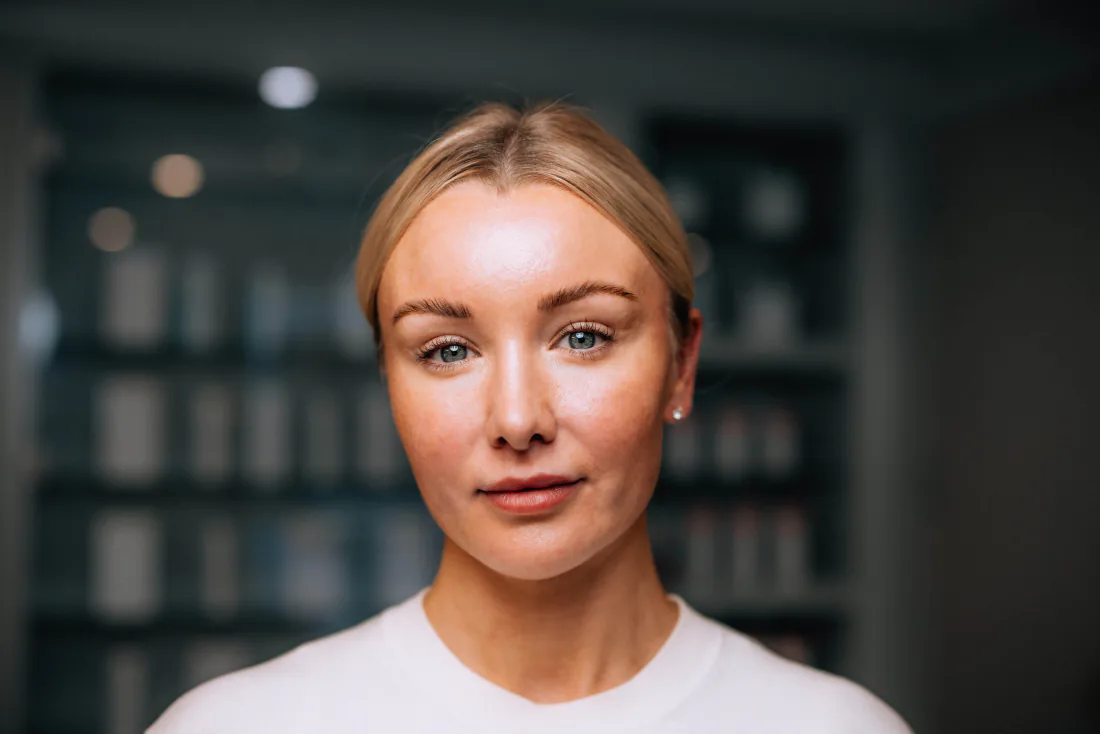
Facial ageing is a gradual process. The cumulative effect that we see when we look in the mirror is a combination of gravity, loss of tissue elasticity, changes in bone structure and the loss and redistribution of facial volume.
Factors such as gravity, sun exposure, genetics and lifestyle choices all contribute to the natural process of facial ageing. Over time, the skin loses its elasticity, underlying fat diminishes and bone structure may alter. These combined effects lead to common signs of ageing, including wrinkles, sagging and volume loss.
Here we look at the anatomy and science behind facial ageing, the key factors that influence how our faces change over time and the treatments available to address these concerns. Understanding how the face ages is the first step towards a natural result.
Skin

As we age, the skin undergoes natural changes that can affect its appearance and texture. Collagen and elastin production, which are responsible for the skin's firmness and elasticity, decline over time, leading to the formation of fine lines, wrinkles and sagging. The skin also loses moisture and becomes thinner, making it more prone to dryness and irritation.
Volume loss

As we age, the natural loss of facial volume becomes more apparent, contributing to a sagging or hollow appearance. This volume loss typically affects key areas of the face, including the cheeks, under-eye region and temples, resulting in a less youthful and more tired look. It occurs due to a combination of factors, including the depletion of fat pads, a decrease in skin elasticity and the gradual weakening of underlying bone structure.
The resulting loss of contour can cause the face to appear gaunt, with deeper lines and folds becoming more pronounced. Dermal fillers or fat transfer can restore lost volume and soften wrinkles. Surgical procedures such as facelifts can also restore and return volume to a more youthful position.
Jowls

Jowls are the sagging or drooping areas along the lower jawline and chin that often develop with age due to a combination of skin laxity, fat loss and weakened muscles and ligaments. As we age, the skin loses elasticity and the underlying structures supporting the face, like collagen and fat, begin to shift. This can lead to a less-defined jawline and the formation of jowls, making the face appear older or more tired.
Surgical and non-surgical treatments, such as facelifts, neck lifts, dermal fillers or fat grafts, can help restore a youthful contour and soften the appearance of jowls.
Sagging neck

A sagging neck is a common concern for many individuals as they age, often caused by a loss of skin elasticity, muscle tone or fat accumulation. This can lead to the appearance of a “turkey neck” or loose, drooping skin around the jawline and neck area. Factors such as genetics, sun exposure, weight fluctuations and the natural ageing process contribute to this condition. For those looking to restore a youthful, toned neck, various plastic surgery procedures, such as a neck lift, can treat these concerns.
These treatments remove excess tissue and tighten underlying muscles, helping to redefine the neck's contours and improve overall facial harmony. A consultation with Mr West works out which approach suits your neck.
Platysmal bands

Platysmal bands are visible vertical lines or cords that appear on the neck, often due to the natural ageing process or the loss of skin elasticity. These bands form as the platysma muscle, which lies beneath the skin, becomes weakened or separated. This can result in sagging or tight, prominent lines that detract from a youthful neckline. In some cases, platysmal bands can be exacerbated by facial expressions or sun exposure.
Surgical treatments, such as a neck lift or platysmaplasty, can treat these bands by tightening the muscle and removing excess tissue.
Smoker's lines

Smoker's lines, also known as perioral wrinkles, are fine lines that develop around the mouth due to repetitive movements like pursing the lips, which is often associated with smoking. Over time, these lines can become more pronounced, contributing to an aged or tired appearance. While smoking is the primary cause, factors such as sun exposure, genetics and natural skin ageing can also play a role in their formation.
CO2 laser resurfacing can soften these lines. Mr West will advise whether it suits you at your consultation.
Lip volume

As we age, the lips naturally undergo changes that can affect their appearance and volume. Collagen production decreases, causing the skin to lose its firmness and elasticity, which leads to a thinning of the lips and the development of fine lines around the mouth.
The lip borders can become less defined and the once youthful, full shape may begin to flatten or sag. These changes are further influenced by environmental factors like sun exposure and smoking, which can accelerate the ageing process. For individuals seeking to restore volume or definition to their lips, options include dermal fillers and lip lifts.
Long upper lip
A long upper lip can sometimes create an unbalanced facial appearance, where the distance between the nose and the upper lip is long for the face. Many individuals seek cosmetic treatment to improve facial symmetry and achieve a more youthful and aesthetically pleasing look. Lip lift surgery is an option for those with a long upper lip, as it shortens the distance between the upper lip and the nose.
It aims to improve the proportions of the face and give a more defined lip line.
Nasolabial folds

Nasolabial folds are the deep lines that run from the nose to the corners of the mouth. In the field of plastic surgery, treatments such as dermal fillers, fat grafting and minimally invasive procedures can help restore a more youthful appearance by plumping the skin and reducing the visibility of these folds.
Upper eye
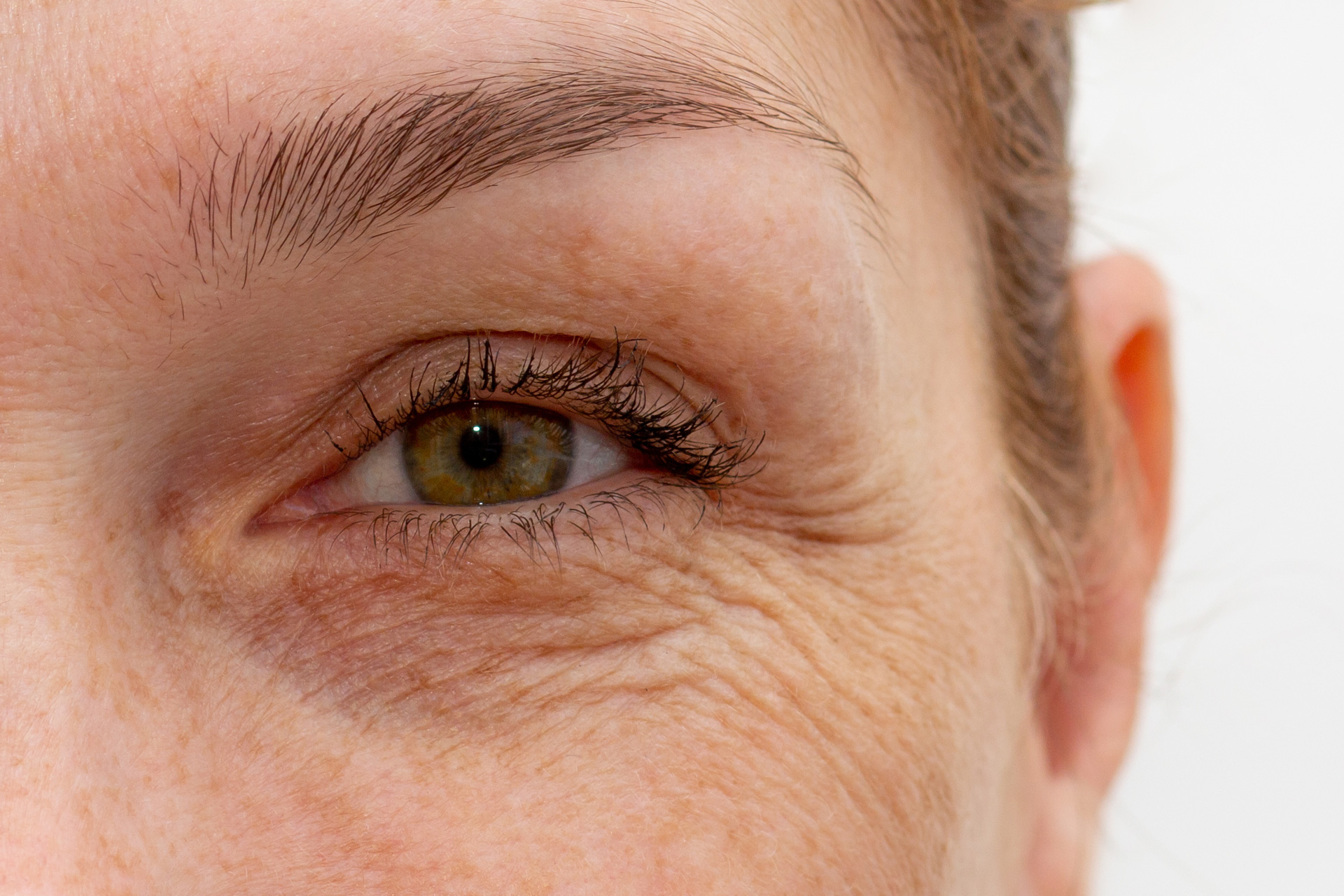
Excess upper eyelid skin, often referred to as “hooded eyes”, occurs when the skin above the eyes becomes loose and saggy, creating a drooping appearance.
This condition can develop due to ageing, genetics or environmental factors and may even impair eyesight by obstructing the natural field of view. In addition to cosmetic concerns, excess eyelid skin can contribute to discomfort, fatigue and difficulty applying make-up. Eyelid surgery (blepharoplasty) removes the excess skin and can widen the upper field of view where the skin was blocking it.
Lower eye

Lower eye bags (under-eye puffiness) are a common concern that can make individuals appear tired, older or less refreshed. These bags typically result from factors like ageing, genetics, fluid retention or lifestyle habits.
As the skin loses elasticity and the muscles weaken with age, fat can protrude and create visible swelling beneath the eyes. Lower eyelid surgery (blepharoplasty) repositions the fat that causes the bags and removes excess skin to even out the under-eye area.
Crow's feet

Crow's feet, also known as laughter lines or periorbital wrinkles, are the fine lines and wrinkles that appear at the outer corners of the eyes as we age. These wrinkles are often caused by a combination of factors, including the natural ageing process, sun exposure and repetitive facial expressions such as smiling or squinting.
As the skin loses collagen and elasticity over time, these lines become more pronounced. If you're concerned about crow's feet, a consultation with Mr West can help determine the best treatment for your needs.
Brow
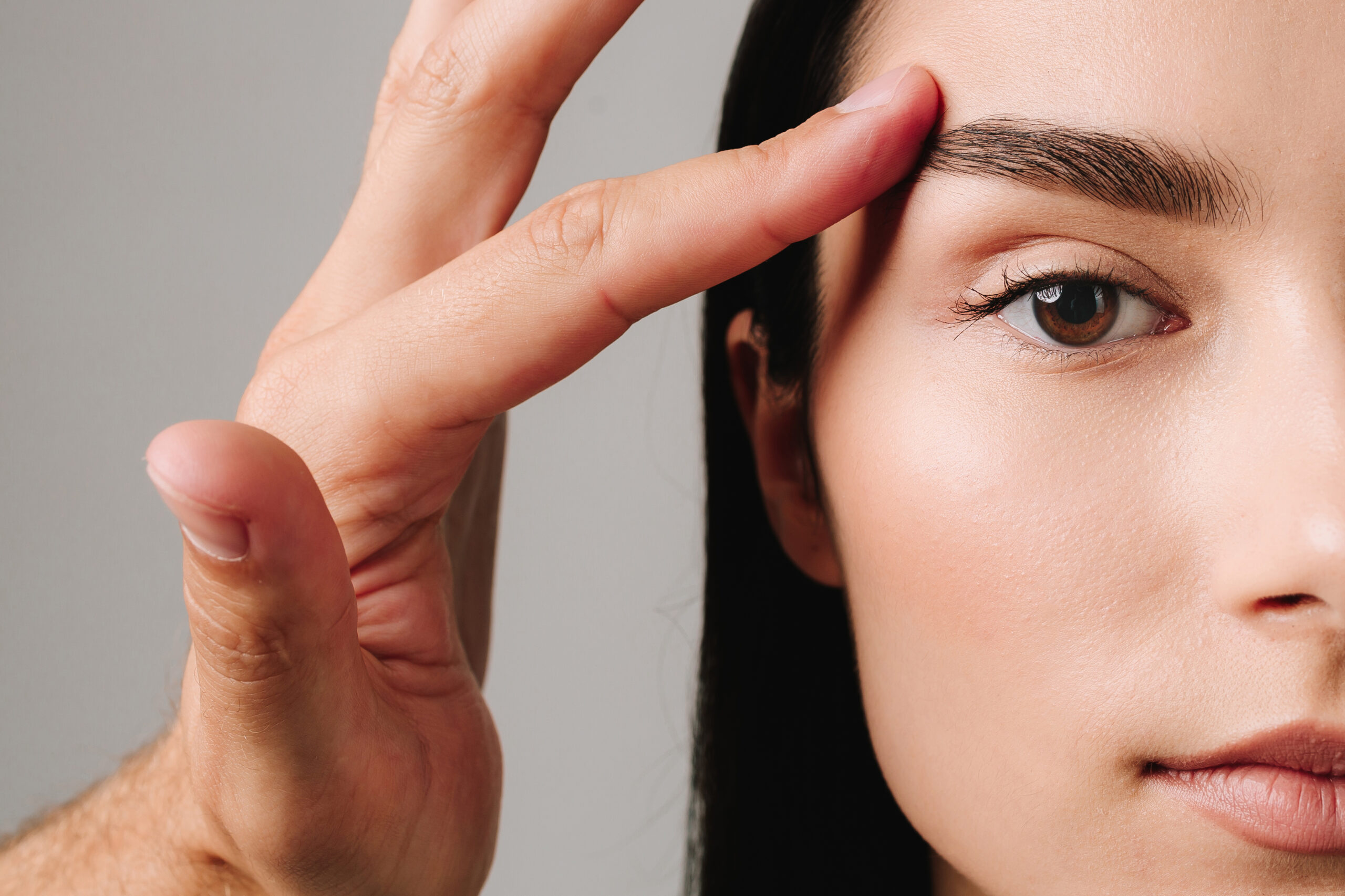
A heavy brow, often characterised by excess skin or pronounced brow lines, can contribute to a fatigued or aged appearance. In many cases, a heavy brow can be a result of genetics, ageing or environmental factors, leading to sagging or drooping of the upper eyelids. For those looking to restore a more youthful and refreshed look, surgical options such as brow lift procedures can help reposition the brow to a higher, more natural position, reducing excess skin and creating a more youthful contour.
A brow lift can also help where a low brow pushes skin down over the eyes.
Wrinkles

Facial fine lines and wrinkles are natural signs of ageing that can begin to appear as early as your late 20s, becoming more noticeable over time due to a combination of factors such as reduced collagen production, sun exposure and the repetitive facial expressions we make daily. These lines often appear around the eyes, forehead and mouth. They can make the skin look tired or less youthful.
Non-surgical options can be discussed at your consultation.
Temple volume loss
Temple volume loss is a common concern that occurs as we age, resulting in a hollow or sunken appearance around the temples. This condition is often due to the natural loss of fat and collagen in the face, which leads to a more skeletal or gaunt look.
Temple volume loss can create an overall imbalance in facial proportions, making the face appear older or more tired. Fortunately, treatments such as dermal fillers or fat grafting can restore volume to the temples, providing a more youthful, rejuvenated appearance. These non-surgical and minimally invasive options help to restore fullness, improve contour and support overall facial harmony.
Ears

As we age, the structure of our ears naturally undergoes changes due to the loss of skin elasticity and the gradual breakdown of collagen. Over time, the ears may appear larger or more elongated, as the earlobes stretch and the cartilage becomes more prominent. Additionally, the skin on the ears may become thinner, making the ears more prone to sagging.
These changes, while subtle, can affect the overall aesthetic balance of the face. Plastic surgery can address these age-related ear changes, helping to restore a more youthful and harmonious appearance through ear reshaping (otoplasty) or earlobe repair.
Marionette lines
Marionette lines are the deep folds or lines that extend from the corners of the mouth down to the chin, often giving the appearance of a sad or aged expression. These lines can become more pronounced with age due to the natural loss of skin elasticity and volume, as well as the effects of gravity. They are typically associated with the ageing process, but can also be influenced by factors such as genetics, smoking and sun exposure.
A short scar facelift can soften marionette lines. Mr West will advise which approach suits you at your consultation.