
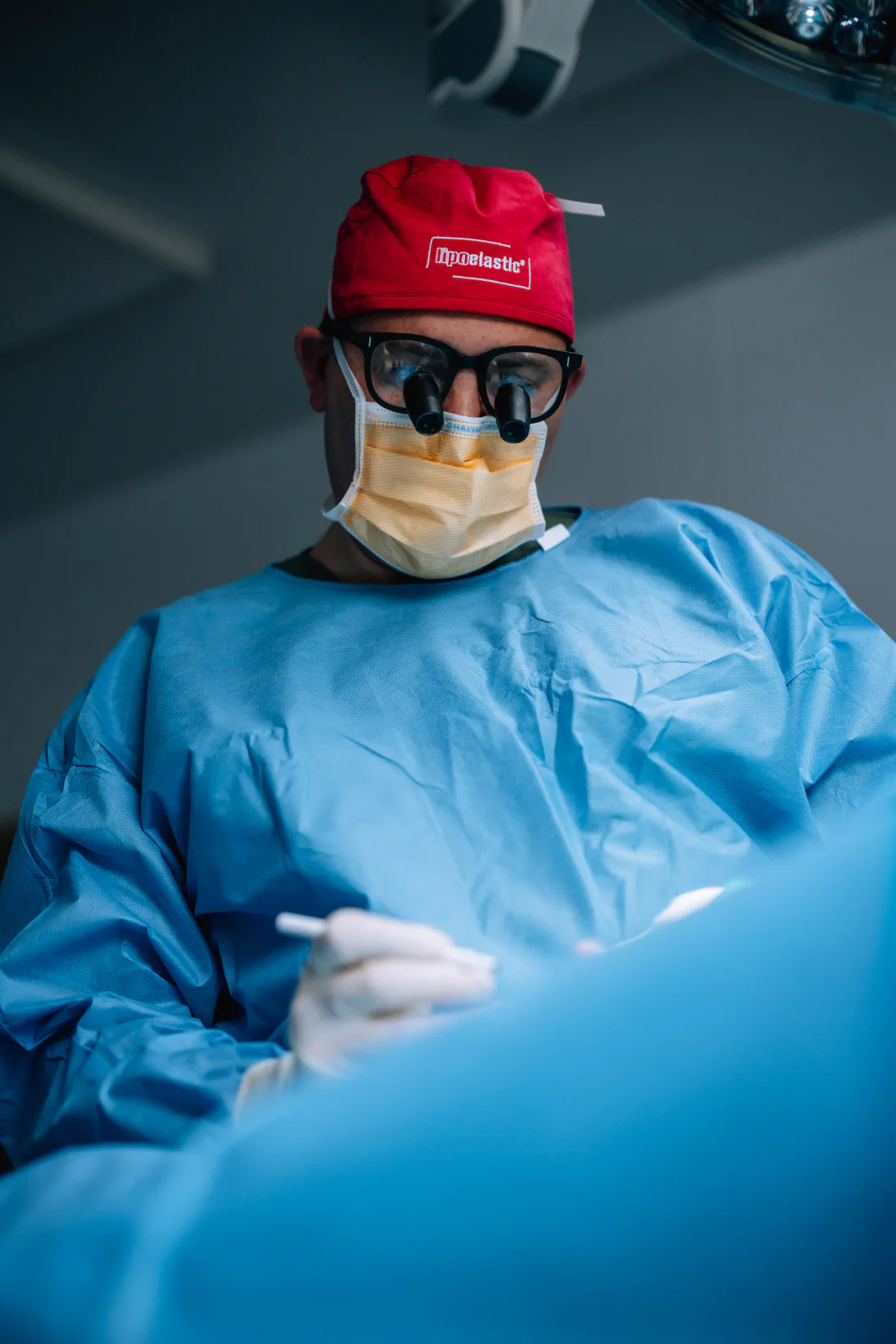
Deep plane facelift and neck lift
The lift goes beneath the SMAS in the face and the platysma in the neck.
The operation
The most important structure in facelift surgery is the SMAS layer (Superficial Musculo-Aponeurotic System). Our understanding of this layer, how it changes with ageing and how we can use it to restore a youthful appearance is what guides modern facelift techniques.
In a deep plane facelift and neck lift, the dissection continues under the SMAS layer in the face and the platysma muscle in the neck. Advocates of this technique believe it allows greater release of the tissues and tension-free suspension, giving a natural, long-lasting result.
It also allows deeper structures to be treated, including deep fat, muscles and the salivary glands. Mr West has spent extra time training with leading surgeons from across the globe in extended deep plane face and neck lift surgery.
- In theatre
- 4 to 5 hours
- Anaesthetic
- General or deep sedation
- Downtime
- 2 to 3 weeks
- Exercise
- 3 to 4 weeks
- Suited to
- An ageing face, jowls, sagging or loose skin and facial descent.
- How it works
- Full release of the deep ligaments allows a tension-free, natural lift, combined with deep reduction of the neck structures.
- The result
- Long-lasting, natural facial rejuvenation.
The deep plane facelift
A deep plane facelift lifts the face from beneath the SMAS, the muscle layer that carries facial shape. Mr West releases the retaining ligaments directly, so the whole layer moves together as one piece. Below is a cross-section through the cheek.
The outer layer. In a deep plane facelift the skin moves with the tissue beneath it instead of being pulled tight on its own.
The fat that gives the cheek its fullness. Where it has thinned, Mr West can restore volume with the patient's own fat.
The muscle layer that carries the shape of the face and continues into the neck as the platysma. This is the layer a deep plane facelift lifts.
Fibrous ties that hold the SMAS down. Mr West releases them by direct dissection so the face can move as one piece.
The deepest layer, where the branches of the facial nerve run. The deep plane sits directly above it.
On the day
You will meet the consultant anaesthetist, who will discuss the anaesthetic with you.
Once in theatre and asleep, Mr West marks the planned incisions carefully. Through incisions in the hairline and around the ear, the skin and superficial fat are lifted off the SMAS layer. Dissection then continues in the deep plane below the SMAS to free the tissue further before stitches secure the lift.
Excess skin is removed before the skin is closed with small sutures. Temporary drains are placed and removed before you leave. Antibiotic ointment is applied to the incisions and a compression garment is fitted.
Afterwards
Following surgery you will be transferred to the dedicated recovery area, where you will be looked after by our expert staff. Once you are awake and feeling well we will make sure all aftercare is explained and follow-up appointments are arranged before you leave.
Patient results
Every pair is one of Mr West's own patients and is published with their consent. Results vary from person to person.
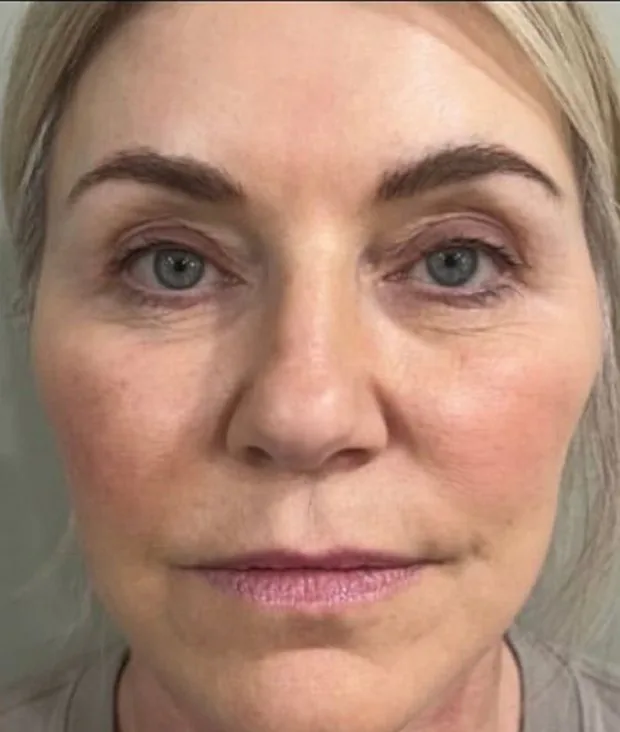
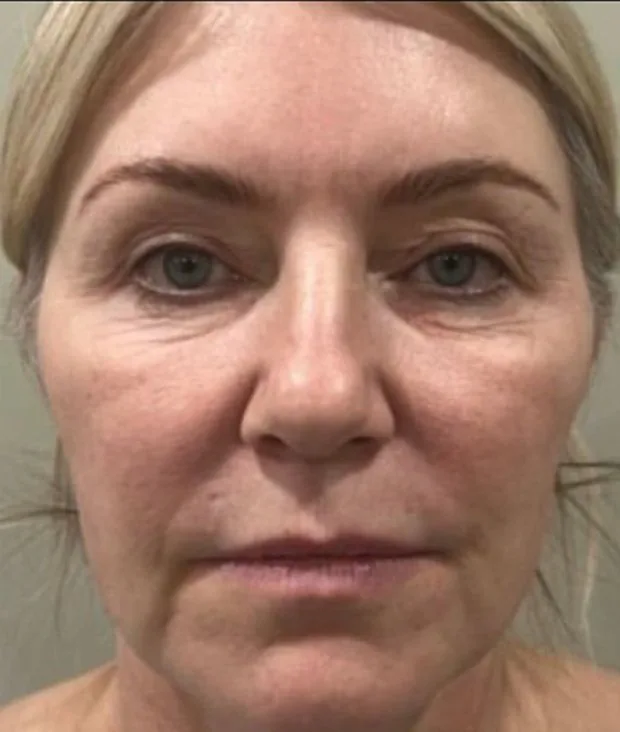
The same patient, before and after
Each pair shows one of Mr West's own patients before surgery and after healing. Swelling settles over several weeks and the final result is usually visible between three and six months.
What patients say
Reviews from Mr West's Google profile, published as written.
Frequently asked questions
The questions patients ask most often. Anything specific to one patient is covered at the consultation.
What is the difference between a VR lift, a face and neck lift and a deep plane face and neck lift?
The VR or short scar facelift is designed to treat moderate jowls and laxity of the lower face. It is not the best procedure for neck laxity. A face and neck lift is an extension of the short scar facelift where the scar extends behind the ear. This allows the structures of the neck to be tightened and lifted and is the main difference between the two. A deep plane facelift uses the same scars as a face and neck lift, but the dissection goes under the SMAS layer into the deep plane to lift the facial structures.
What are the follow-up or aftercare procedures?
Sutures are removed after 10 days and scar massage begins after 2 weeks. A further review appointment is usually made 4 to 6 weeks after surgery. Mr West and the team will be on hand to help and support you with your recovery.
How long do the results last?
Plastic surgery cannot stop the ageing process. It resets the clock, so after surgery you will age in a similar way from a much younger starting point.
When can I start playing sports again?
Light activity is fine after 2 weeks. Vigorous exercise should be avoided for at least 4 weeks. Anything that makes your face red, such as bending over or lifting anything heavy, should be avoided for the first 3 weeks.
When can I wash my hair?
Hair can be gently washed the day after surgery using a mild shampoo.
Book a consultation
A consultation with Mr West covers the anatomy, what surgery can realistically achieve and the risks involved. A fixed written quote follows afterwards.
Surgery is only planned after this assessment, with time to reflect before any decision. Virtual consultations are available for patients travelling from further afield.
Keep up to date
Mr West's advice articles, sent once a month by email.
This site is protected by reCAPTCHA and the Google Privacy Policy and Terms of Service apply.