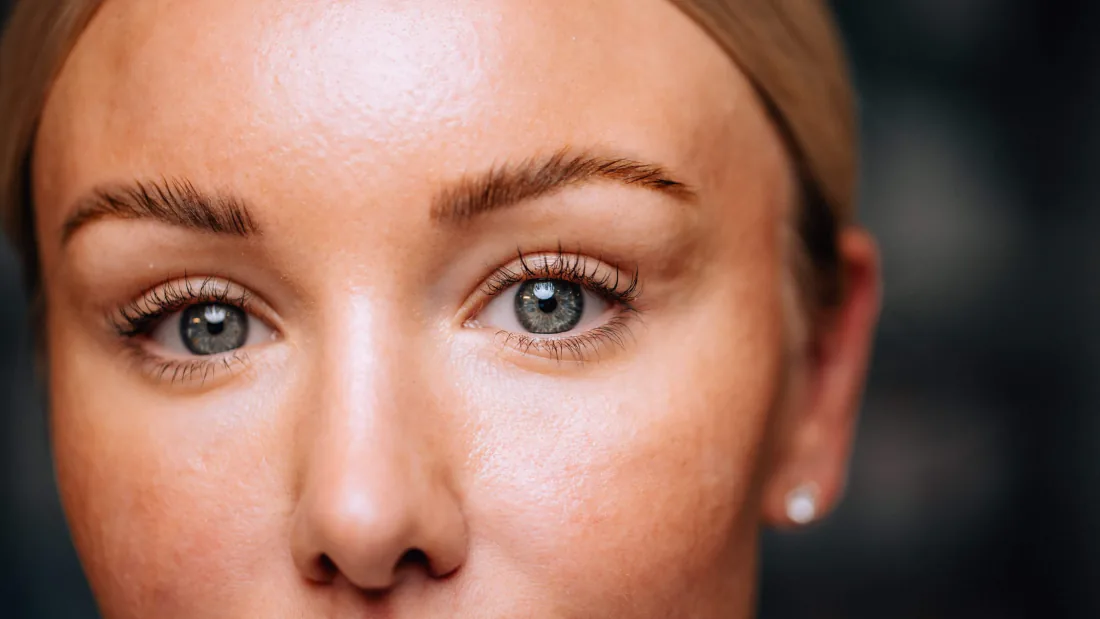
Upper blepharoplasty removes loose, sagging skin and sometimes a little muscle and fat from the upper eyelids. Most people have it to lift hooded or heavy lids that make the eyes look tired or to remove skin that has started to block the upper field of view. Mr Christopher West carries it out under local anaesthetic as a day case. It usually takes about an hour.
Suitability and results vary from person to person and are always confirmed at a consultation with Mr Christopher West. This page covers what the procedure involves, who it suits, how to prepare, what recovery looks like and the results you can expect.
What is upper blepharoplasty?
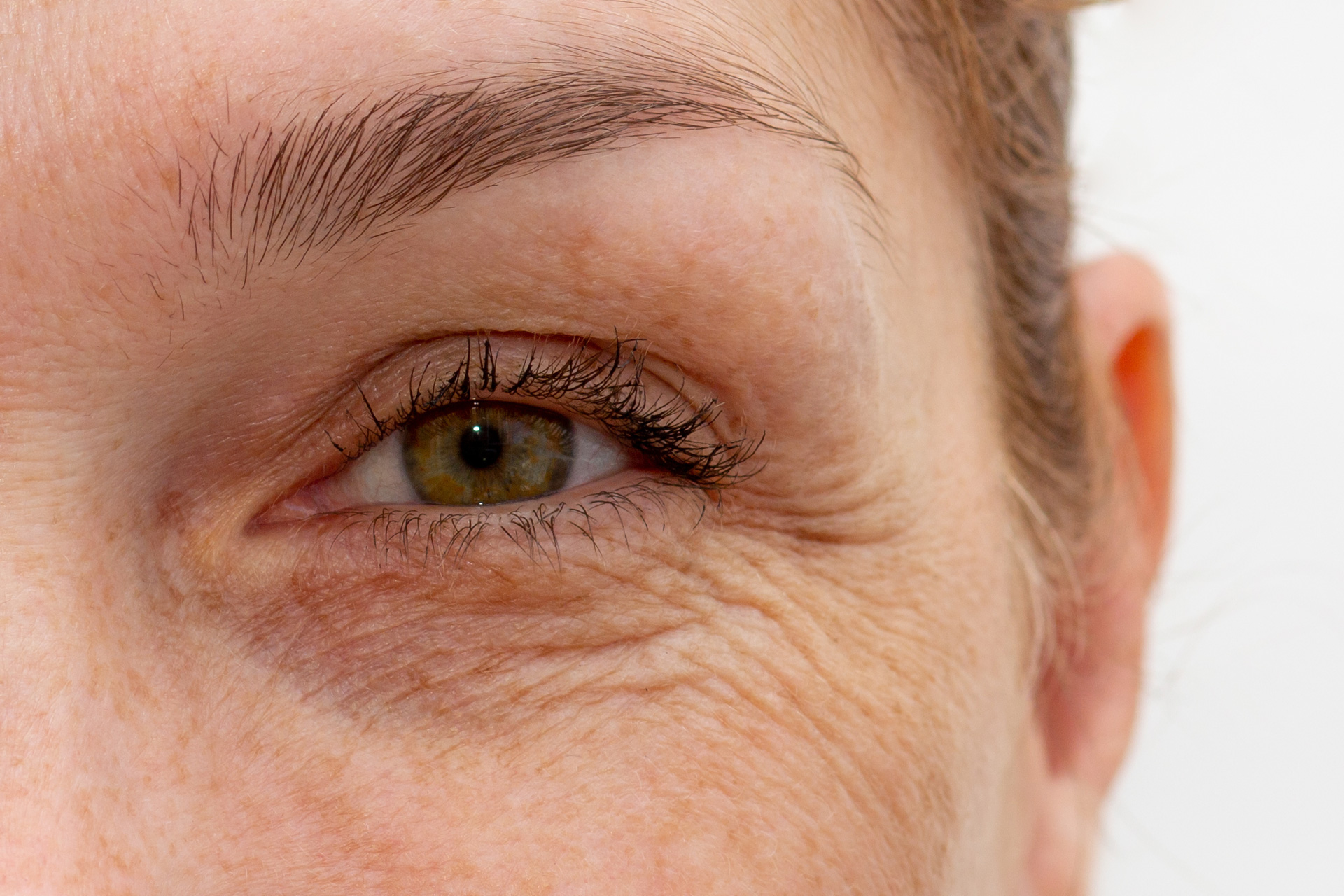
Upper blepharoplasty, also called upper eyelid surgery or hooded eyelid surgery, removes the spare skin that gathers above the eye as we age. Over time the skin on the upper lid loses elasticity and starts to droop. In some people this forms a fold that hangs over the natural eyelid crease, which is where the term hooded eyelids comes from.
Mr West removes a measured strip of excess skin and, where needed, a small amount of muscle and fat. The incision sits in the natural crease of the eyelid, so the scar is hidden in a fold and is usually hard to see once healed.
Who is it for?
Upper blepharoplasty tends to help people who are bothered by the look of their upper eyelids or whose eyelids have started to affect everyday life. Signs it may help include:
- Loose or sagging skin on the upper eyelids
- A hooded fold that hangs over the eyelid crease
- Eyes that look tired or heavy even after rest
- Difficulty applying make-up because the lid skin folds over
- Upper eyelid skin that rests on the lashes or starts to block the upper field of view
It may not be the right option for everyone. The procedure may not suit you if your main concern is lines around the eyes, dark circles or puffiness below the eye, as these usually need a different treatment. People with certain eye conditions, dry eye problems or health conditions that affect healing may need extra checks first. Mr West will talk through your medical history and examine your eyes to confirm whether surgery is suitable for you.
What happens during the procedure
Upper blepharoplasty is a day case, so you go home the same day. Mr West carries it out under local anaesthetic. The team settles you in, talks through the procedure and takes photographs, then the main steps are:
- Mr West marks the planned incision while you are sitting up, so the amount of skin to remove is measured accurately.
- Local anaesthetic is injected. It stings for a few seconds, then numbs the area.
- A fine incision is made along the natural crease of the upper eyelid.
- The excess skin is removed, along with a small strip of muscle and any excess fat.
- The skin is closed with a single running stitch and small Steri-Strips are placed over the scar.
The surgery usually takes about an hour. Before you leave, the team explains your aftercare and arranges your follow-up appointments.
How to prepare
Your clinic will give you a full set of instructions before surgery. In general, preparation means:
- Stopping smoking and all nicotine, including vapes, patches and gum, at least 6 weeks beforehand, because nicotine reduces blood flow to the skin and raises the risk of poor healing
- Stopping blood-thinning medicines or supplements if advised to do so
- Keeping alcohol to a minimum in the days before surgery
- Arranging for someone to drive you home and stay with you afterwards
- Coming to your operation without eye make-up, false lashes or contact lenses
Tell Mr West about any medicines you take and any history of dry eyes or other eye conditions, so your plan can account for them.
Recovery, step by step
Most people recover well and are back to normal within a couple of weeks. Bruising and swelling are normal at first and settle steadily.
First few days
Swelling, bruising and tightness. Keep your head raised and use cold compresses. Any discomfort is usually mild.
Around 1 week
Stitches and Steri-Strips removed at 5 to 7 days. Bruising fades and most people feel ready to be seen. Most people go back to desk work.
2 to 3 weeks
Most swelling has gone. Exercise from about 2 weeks once Mr West is happy.
Several months
The scar keeps softening and fading as the final result settles.
You will be given aftercare advice and follow-up appointments so your healing can be checked. Recovery times vary from person to person.
Results and how long they last
The aim is a more open, rested eye area with a defined upper lid crease that looks natural. Once the swelling has settled, you should see the full effect within a few months.
The results are long lasting. It is unusual for excess lid skin to build up again in the same way once it has been treated. Your eyes keep ageing naturally and the brow continues to drop, so the area can look heavier again over the years. Genetics, sun exposure and your skin type all play a part in how long the result holds.
Risks and things to consider
Upper blepharoplasty is a well-established procedure, but like any surgery it carries some risks. Possible risks and side effects include:
- Swelling, bruising and some temporary blurring in the first days
- Dry, irritated or watery eyes for a time. People who already have dry eyes can find them made worse and may need lubricating drops for longer, so dry-eye sufferers need careful assessment first
- Scarring. The incision is placed in the natural crease to keep it discreet
- Slight differences between the two sides, as no two eyes are perfectly symmetrical
- Temporary difficulty fully closing the eyes
- Removing too much skin, which can stop the eyes closing fully and occasionally needs a skin graft to correct
- Unmasking of a pre-existing droopy eyelid (ptosis) that was being held up by the excess skin
- A collection of blood (haematoma) that may need draining
- Infection or, rarely, a reaction to the anaesthetic
Any surgery around the eye carries a rare risk to sight, usually from bleeding behind the eye (retrobulbar haemorrhage). The risk of losing sight is around 1 in 20,000. A bleed behind the eye is a surgical emergency that needs urgent treatment.
Seek urgent medical advice straight away if, after surgery, you have sudden or worsening pain, fresh heavy bleeding, rapidly increasing swelling or any sudden change in your eyesight. These can be signs of a serious problem that needs treatment within hours.
Serious complications are uncommon. Mr West will go through the risks that apply to you, based on your health and your eyes, so you have the full picture before you decide. Taking time over this decision is sensible and there is no pressure to proceed.
Alternatives to eyelid surgery
Surgery is not the only option. Whether an alternative helps depends on the cause of your concern. Non-surgical options to ask about include:
- Energy-based skin tightening. Treatments such as laser or radiofrequency may help mild skin laxity, but the effect is limited compared with surgery.
- Dermal fillers. These can address volume loss in the surrounding area but do not treat excess eyelid skin.
A brow lift is a separate operation that can help when the brow itself has dropped.
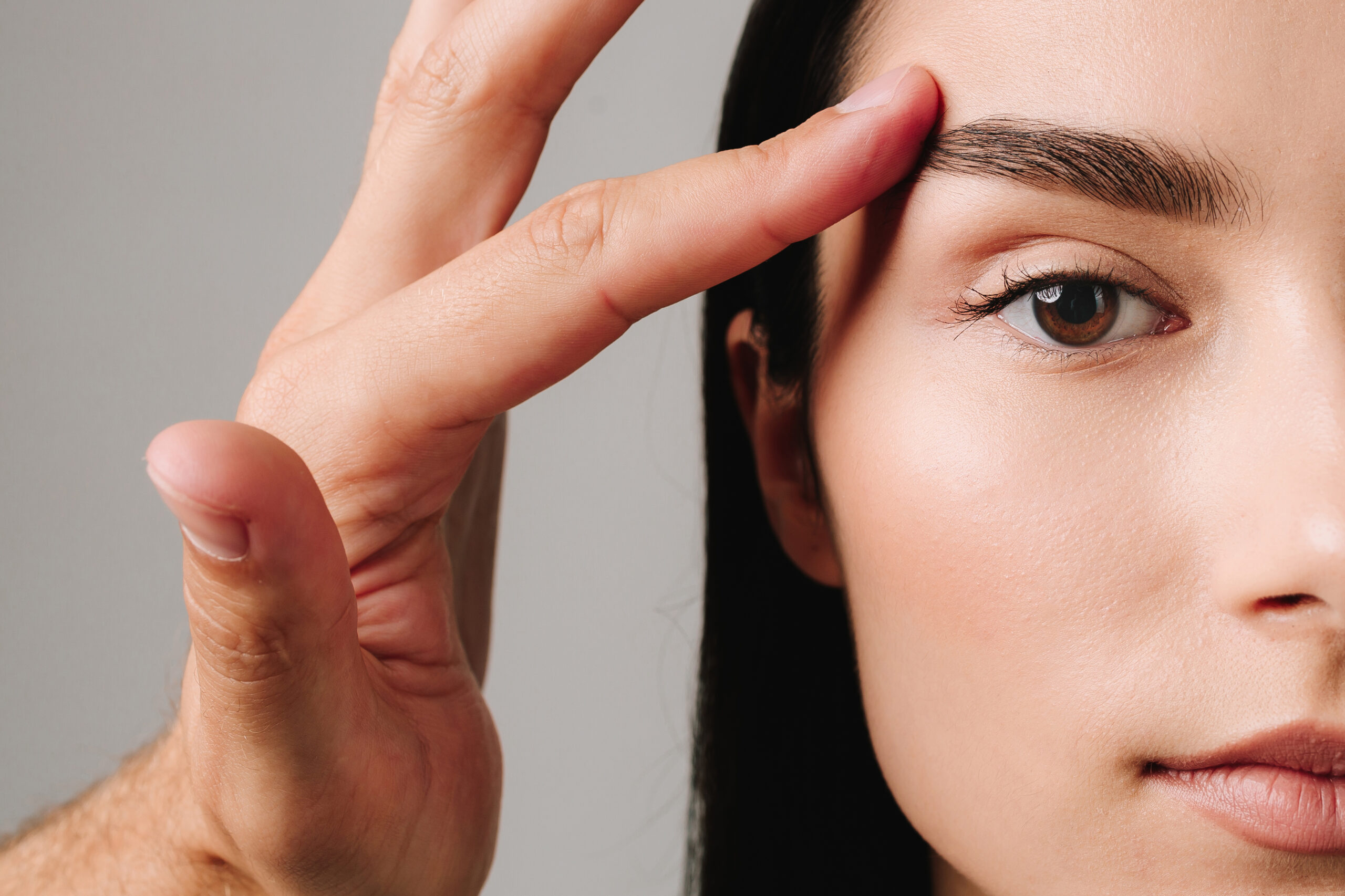
For loose, hanging upper eyelid skin, surgery is usually the way to get a lasting change. Mr West will tell you whether a non-surgical option could work for you or whether surgery is the better route.
Upper and lower eyelid surgery
Upper blepharoplasty treats the upper lids. If your concern is puffiness, bags or excess skin below the eye, that is treated with lower blepharoplasty. Some people have both at the same time. Mr West will advise what suits you at your consultation.
Why patients choose Mr Christopher West
Mr Christopher West is a consultant plastic, reconstructive and aesthetic surgeon. He trained in medicine at Sheffield and completed his higher surgical training in plastic surgery in Edinburgh. In the NHS he works at Leeds Teaching Hospitals. In private practice he focuses on facial plastic surgery, including eyelid surgery and the deep plane facelift. He was featured on the BBC series Saving Lives in Leeds.
- MBChB, BMedSci (Hons), PhD, FRCS (Plast)
- Full member of BAAPS and BAPRAS
- Fellow of the Royal College of Surgeons of England
- GMC Specialist Register, number 6105117
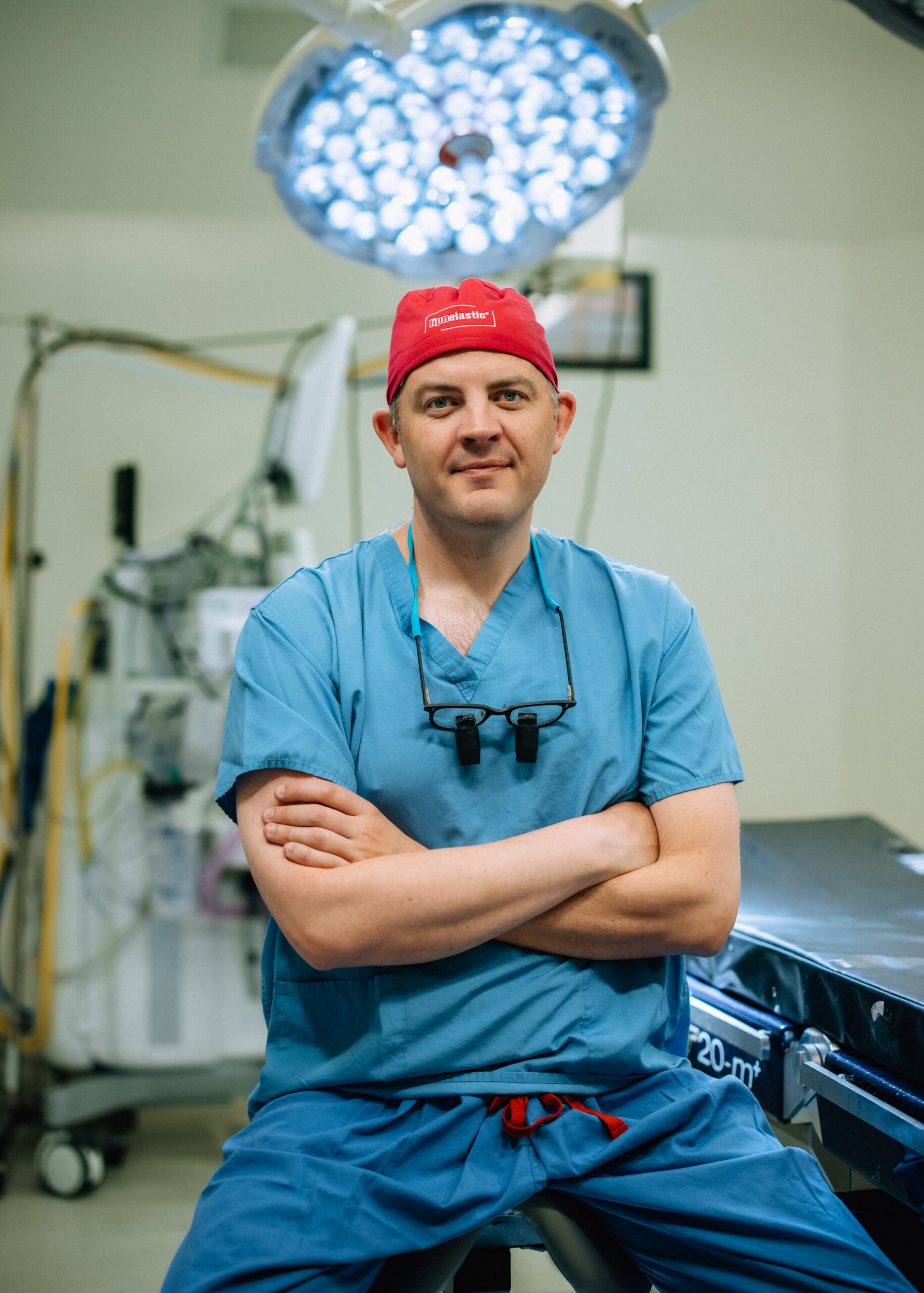
You will be seen by Mr West himself at your consultation, where he examines your eyes, talks through what you want to change and gives you his recommendation.