
Upper blepharoplasty
Upper eyelid surgery for heavy, hooded eyelids, with a quick recovery.
The operation
Upper eyelid surgery (blepharoplasty) is one of the most common plastic surgery procedures. It has a quick recovery and gives a very natural, refreshed and brighter appearance to the eyes and face.
As we age we develop excess loose skin in the upper eyelid. This skin hides the natural fold of the upper eyelid and in severe cases can hang over the eyelashes and affect eyesight. Many people describe their eyes as tired and heavy as a result.
- In theatre
- 1 hour
- Anaesthetic
- Local
- Downtime
- 1 week
- Exercise
- 2 weeks
- Price
- From £2,295
- Suited to
- Heavy, hooded eyelids and crepey skin.
- How it works
- Excess skin and sagging muscle are removed and bulging fat is repositioned to create a defined fold in the upper eyelid.
- The result
- Bright, refreshed eyes with a youthful, defined crease.
Step by step
From the first consultation to your recovery.
Your consultation
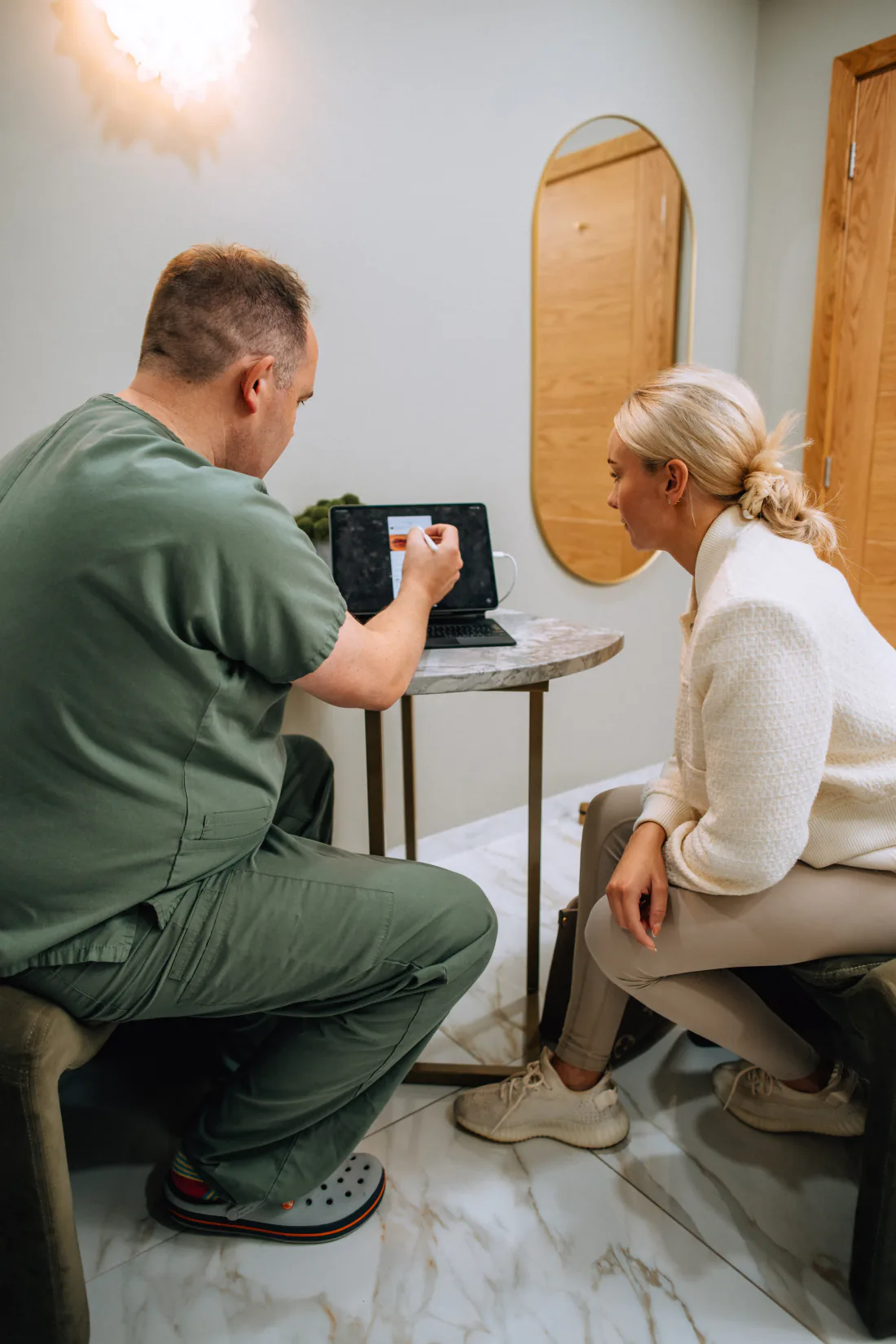
Book a consultation online or call the team. Consultations are in York and Leeds, with virtual consultations for patients travelling from further afield.
The day of surgery
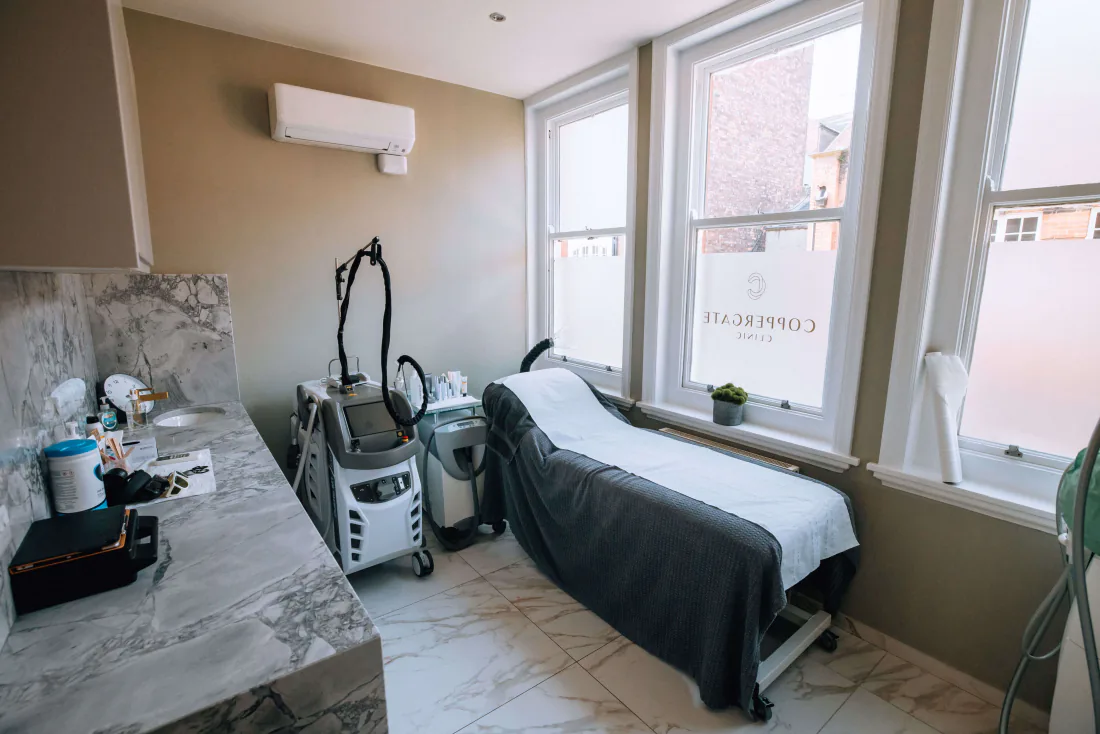
The team will welcome you to the clinic and get you settled. We go through the procedure, discuss the process and sign the consent form. Photographs are taken before you head to theatre.
Mr West marks the planned incision carefully before surgery. Local anaesthetic is injected, which stings for a few seconds. Through the skin incisions, a small strip of muscle and any excess fat are removed. The skin is closed with a single running stitch and small Steri-Strips (thin plasters) are applied over the scar.
Recovery
Following surgery we will make sure all aftercare is explained and follow-up appointments are arranged before you leave.
What patients say
Reviews from Mr West's Google profile, published as written.
Frequently asked questions
The questions patients ask most often. Anything specific to one patient is covered at the consultation.
What are the risks associated with this procedure?
We will discuss this in detail at your consultation. Swelling and bruising for 1 to 2 weeks is to be expected. Infections can occur, which are treated with antibiotics. Minor bleeding can rarely happen and should stop with pressure. The scar is usually very well concealed in the natural crease of the upper eyelid. Sometimes it can take a while to settle and regular massage helps. Any surgery around the eye carries a risk of blindness. Fortunately this is very rare and estimated at about 1 in 20,000.
What are the follow-up or aftercare procedures?
Sutures are removed after 5 to 7 days and scar massage begins after 2 weeks. A further review appointment is usually made 4 to 6 weeks after surgery.
When can I start playing sports again?
Light activity is fine after 1 week. Vigorous exercise should be avoided for at least 2 weeks. Anything that makes your face red, such as bending over or lifting anything heavy, should be avoided for the first week.
When can I wear contact lenses again?
Contact lenses should be avoided for 1 to 2 weeks after surgery.
Does blepharoplasty change the shape of my eye?
The shape of the eye does not change. Removing heavy, sagging skin makes the eye look more open, refreshed and brighter.
Does blepharoplasty change the position or shape of my brow?
No. Blepharoplasty does not alter the position or shape of the brow.
Book a consultation
A consultation with Mr West covers the anatomy, what surgery can realistically achieve and the risks involved. A fixed written quote follows afterwards.
Surgery is only planned after this assessment, with time to reflect before any decision. Virtual consultations are available for patients travelling from further afield.
Keep up to date
Mr West's advice articles, sent once a month by email.
This site is protected by reCAPTCHA and the Google Privacy Policy and Terms of Service apply.