Having a facelift is a significant decision. Most patients will invest huge amounts of time investigating the subject and potential surgeons. There are many resources available including websites, online forums and social media that aim to provide information, but it can be very overwhelming.
Even to expert surgeons, the information can appear to be confusing and conflicting. I hope this page helps you make informed decisions about your facelift.
Anaesthesia
The primary purpose of anaesthesia is to ensure your safety and comfort during the operation. All decisions on what type of anaesthetic to use are based on these 2 factors. It is possible to perform short scar facelifts under local anaesthetic and this can be both safe and comfortable.
A typical deep plane face and neck lift takes 4 to 5 hours and is an invasive procedure. It is my belief that general anaesthesia is the safest and most comfortable option for both the patient and surgeon. There are certain circumstances where deep sedation may be a safe alternative.
I work with a small group of select anaesthetists, all of whom use modern anaesthetic techniques. They have developed protocols that help patients wake up quickly, safely and comfortably, meaning that many patients are discharged home on the day of surgery.

Scars
One of the most common questions relating to facelifts is about the scars and whether they will be visible. Any cut in the skin will result in a scar. However, when placed correctly and once they have matured, the scars from facelift surgery should not be visible at conversational distance. To achieve this, scars must be meticulously placed, closed precisely without tension and cared for after surgery.
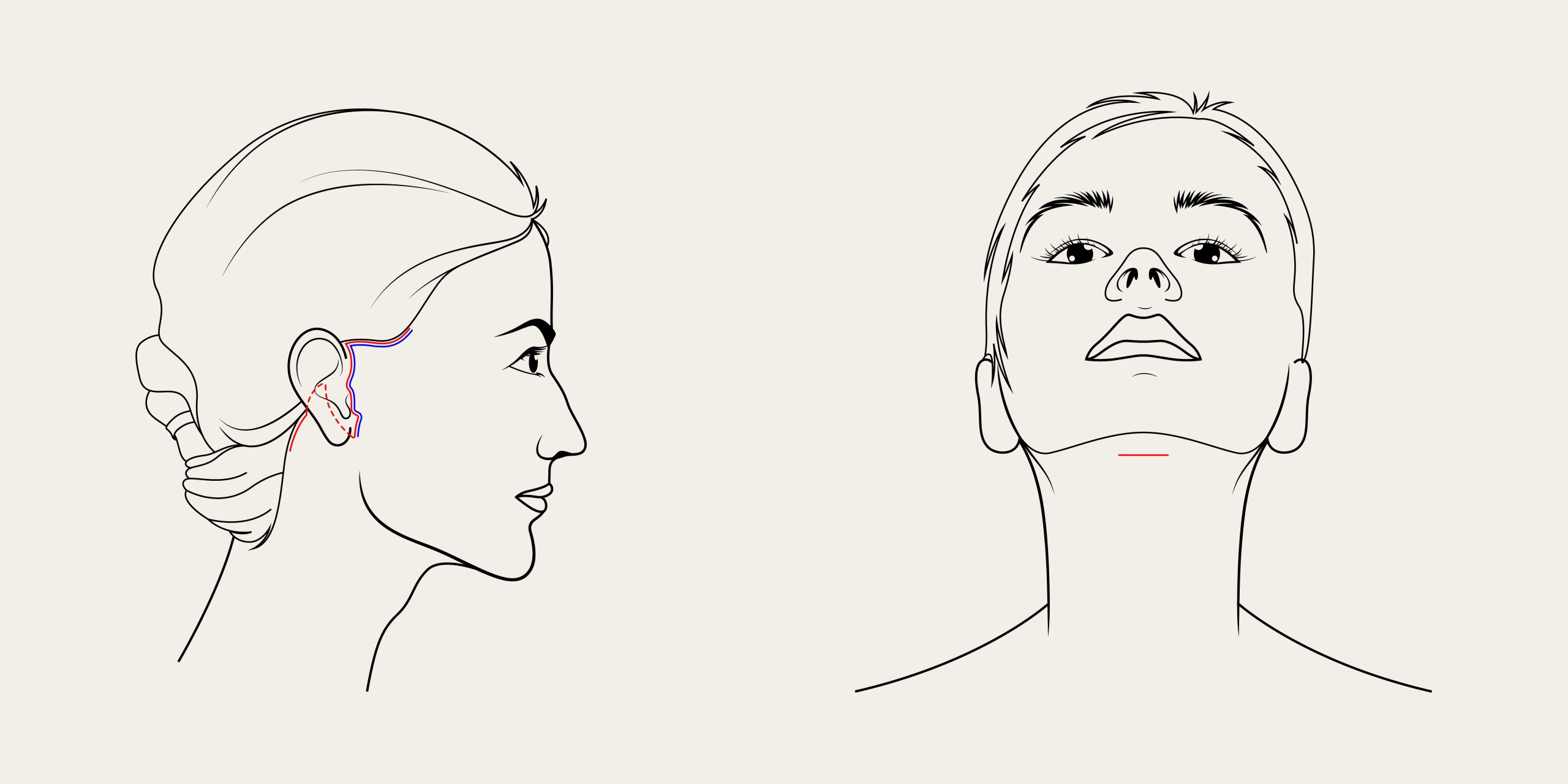
I typically use 2 types of scars: a short scar (VR) facelift and a full (deep plane) face and neck lift. The scars for the short scar facelift are all in front of the ear. They curve through the hairline in front of the ear and then through the natural creases of the ear to the bottom of the ear lobe. This allows access to the face and suits those with moderate signs of ageing limited to the face.
In a full face and neck lift, the scars are the same as a short scar facelift, but they then continue up the back of the ear and into the hairline behind the ear. This allows access to the area below the jaw in addition to the face. It is more suited to those with concerns in both the face and neck.
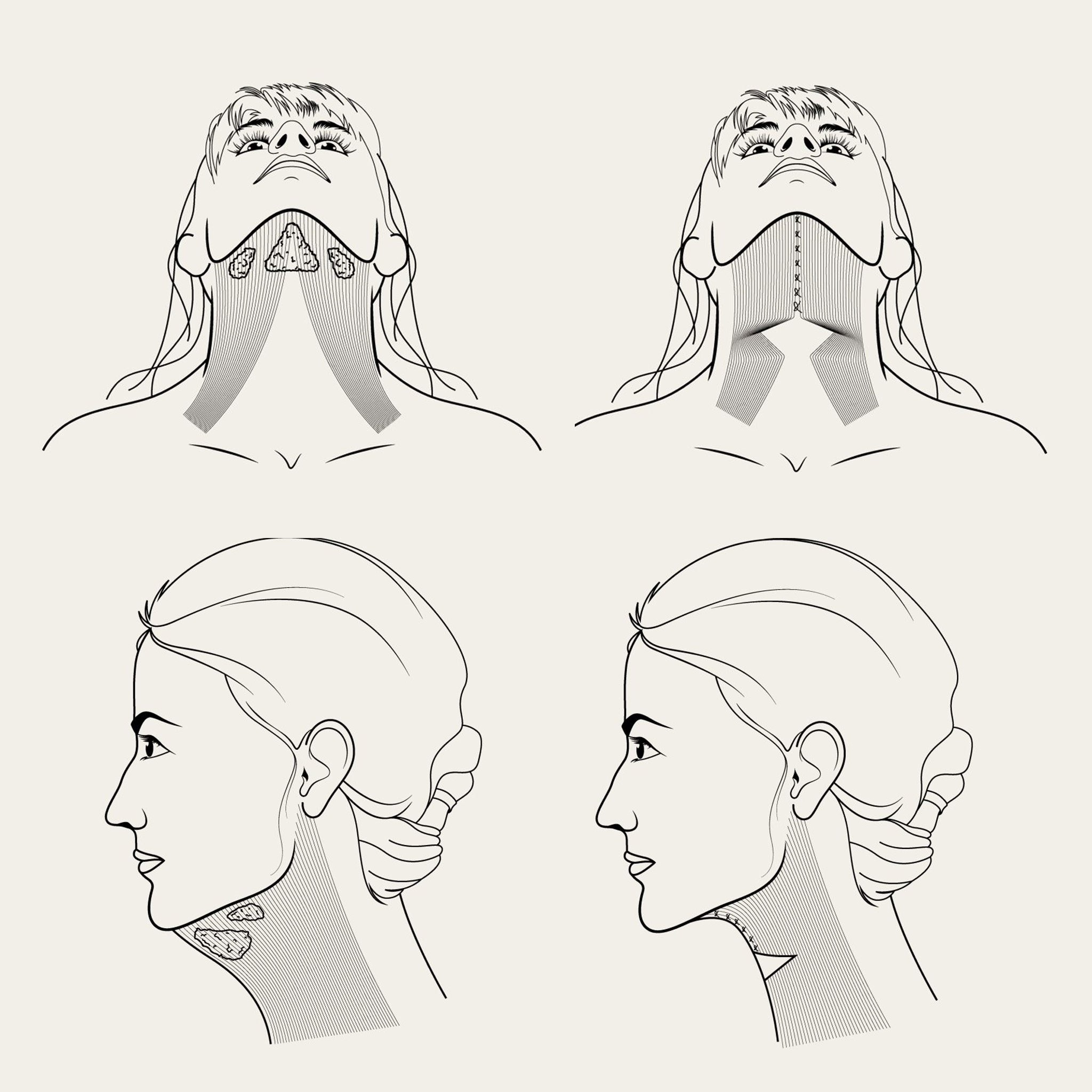
As part of a face and neck lift, an additional short submental scar is placed under the chin. Through this incision fat can be reduced. It also allows access to the submandibular glands.
The layers of the face
The soft tissues of the face can be divided into 5 distinct anatomical layers that are continuous with each other from the scalp, through the face and into the neck. Understanding these layers and what is contained within them is critical to a safe and successful facelift.

The skin
The skin is the outermost layer of the face. The ageing process has significant effects on this layer with a reduction of collagen and elastin. However, the effects of ageing on the face are more profound on the deeper layers and more often the skin reflects those deeper changes. For this reason, treatments and operations that focus only on the skin will only have a limited effect in terms of outcome and duration. However, the importance of healthy skin on the outcome of facial rejuvenation and facial surgery should not be underestimated. Skin health is a fundamental part of a multi-faceted approach to facial rejuvenation.
Subcutaneous
Subcutaneous means 'under skin' and refers to the layer immediately below the skin. This layer has 2 main components: fat, which provides volume and mobility, plus tough fibres (retinacula cutis) that connect the skin to the underlying SMAS. Traditional facelift techniques such as SMAS plication separate layer 2 from layer 3 and release the tough fibrous connections, before placing stitches in the SMAS (layer 3) to lift and tighten it.
Musculo-aponeurotic
The Superficial Musculo-Aponeurotic System (SMAS) is the 3rd layer in the face and neck and is fundamental to our understanding of how the face ages. All successful facelifts will address the SMAS layer. It contains the muscles of facial movement that are encased within a layer of fascia. Layer 3 is the layer above the 'Deep Plane' and must be divided to perform a deep plane face and neck lift.
Retaining ligaments and spaces
Layer 4 is the layer that is entered during a deep plane lift. It is made up of a series of natural mobile spaces that provide a gliding plane to allow tissues to move over each other. Each space has a tough immobile boundary which is reinforced by the facial retaining ligaments. The principle of deep plane face lift surgery is to release the facial retaining ligaments in layer 4 that anchor layers 1, 2 and 3 to the bones. This allows the entire face, jowl and neck to be lifted without tension and repositioned. Layer 4 also contains the branches of the facial nerve that travel forwards in layer 4 to supply the muscles of facial movement in the roof of this layer.
Periosteum
The deepest layer of the face is the periosteum, which is the layer that covers the bones. In certain parts of the face it has a specific name such as in the temple where it is referred to as the deep temporal fascia. The periosteum is a tough immobile layer and it is what the facial retaining ligaments are anchored to.
Managing the SMAS during a facelift
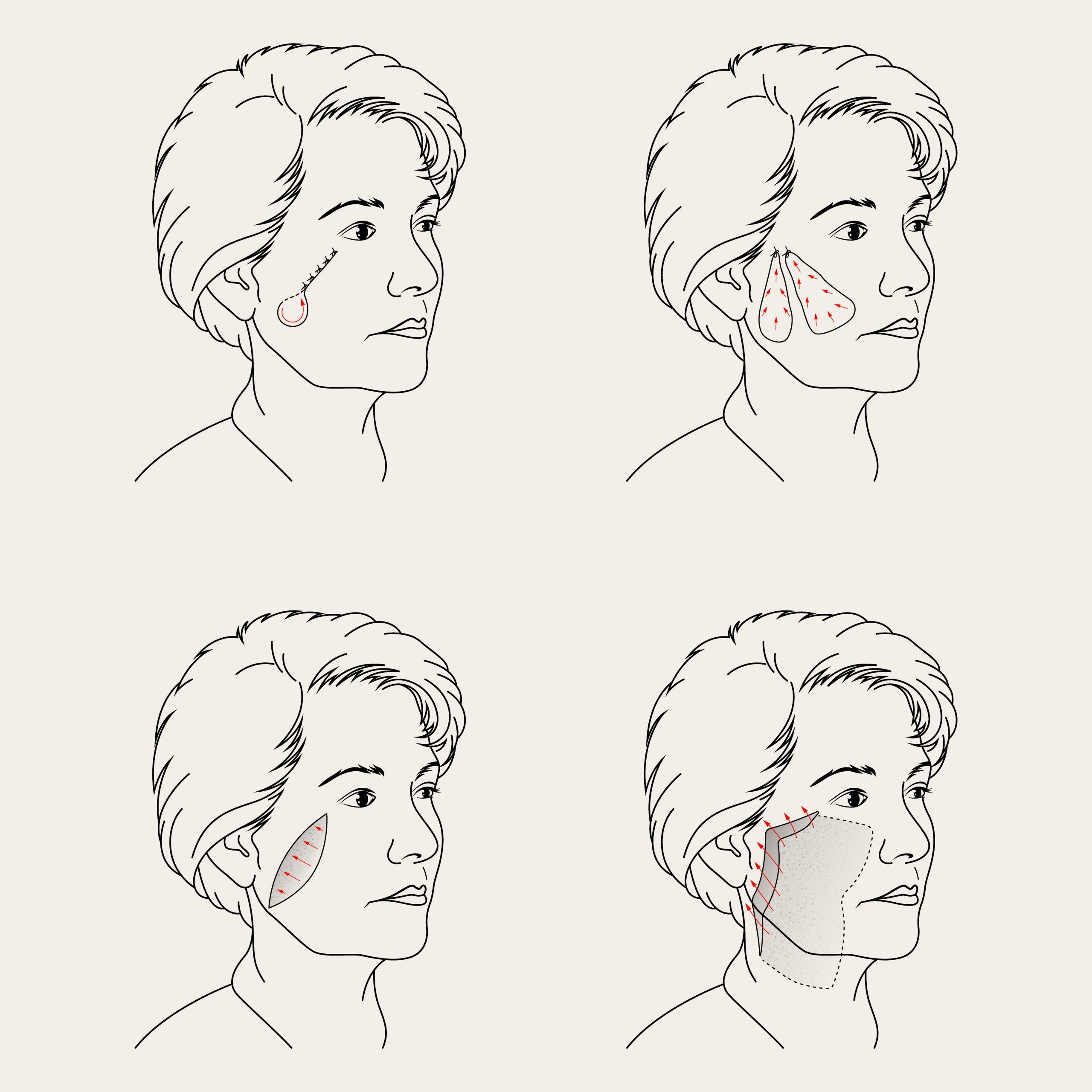
The Superficial Musculo-Aponeurotic System (SMAS) is a layer of fascia that wraps around the muscles in the face and continues as the platysma muscle in the neck. It is our understanding of this layer, how it changes with age and how we manage it that is critical to a successful facelift. Most facelift methods use a variety of techniques to lift and tighten the SMAS.
Plication
The SMAS is lifted and folded over on itself and secured with sutures. This is the most common type of technique performed.
Imbrication
Loops of sutures are passed through the SMAS and tightened like a purse string. This technique was made popular by the MACS lift.
SMASectomy
A section of SMAS is removed and the edges sutured together. Usually there is no release of deeper ligaments.
Deep plane
The dissection goes underneath the SMAS layer to free all the deep ligaments and attachments. This allows for a tension-free lift of the face and neck together.
The ligaments
The spaces deep to the SMAS are bounded by tough fibrous attachments that contain the facial retaining ligaments. The facial retaining ligaments are anchored to the bone via their attachment to the periosteum (the layer that covers the bone). From there they pass up and spread out like a tree, attaching to every layer of the face including the SMAS and skin. These attachments limit the movement of the soft tissues of the face. The principle behind deep plane face and neck lifts is the release of these ligaments to allow tension-free movement and lift of the face and neck.
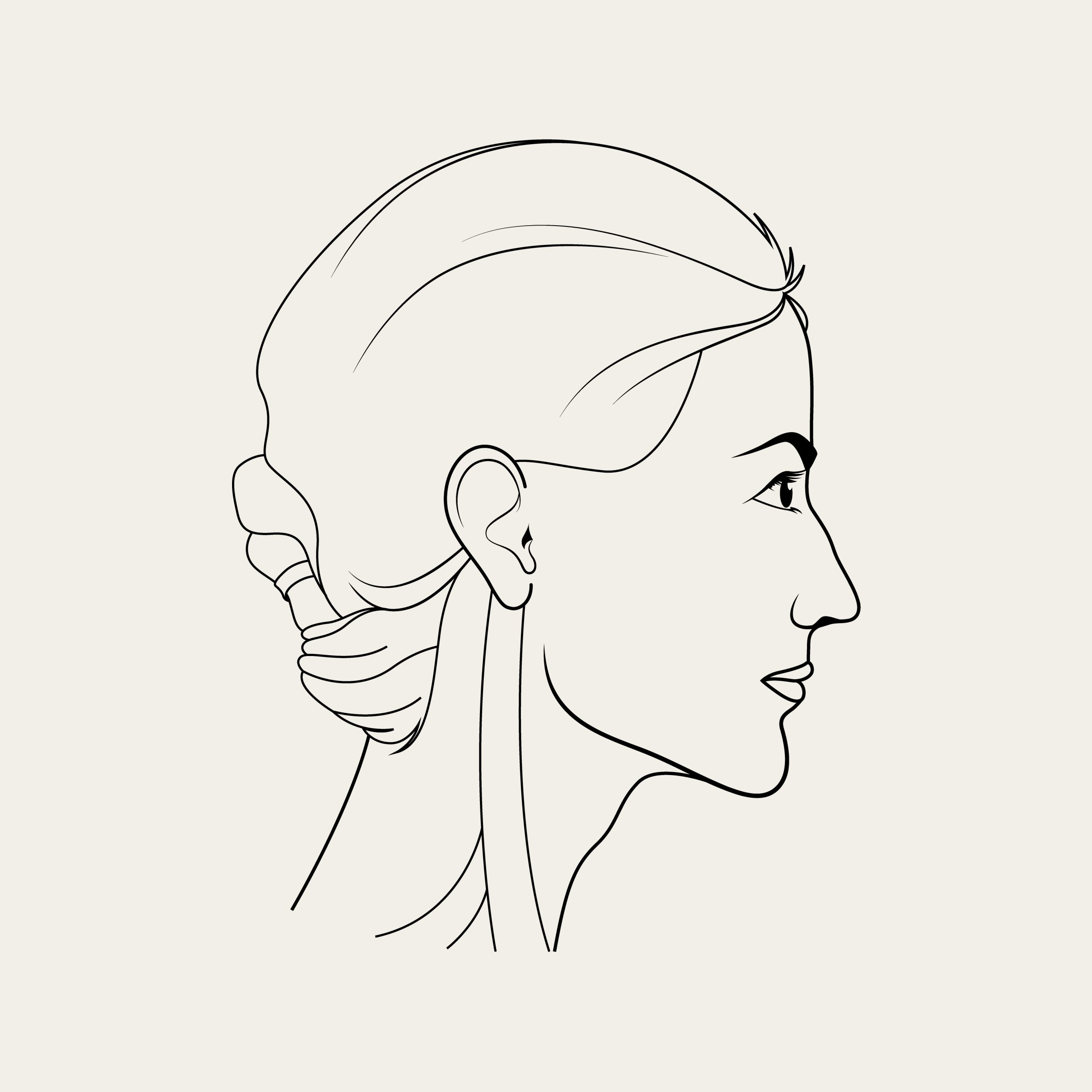
The 4 key ligaments divided for a tension-free lift are:
- Zygomatic. These are the ligaments over the cheekbone.
- Masseteric. These are the ligaments in the cheek / midface.
- Mandibular. These are the ligaments next to the jowl.
- Cervical. These are the ligaments below the ear.
The neck
For many people, the lower face, jawline and neck is their main area of concern. For the best results, neck lift surgery needs to address multiple different structures and layers including skin, fat, muscle and glands.
Liposuction and non-surgical methods to reduce fat will have very little effect on the shape of the neck as the majority of fat in the neck is underneath the platysma muscle and not reachable by liposuction. The only way to reach and reduce this fat is through a direct approach with a scar under the chin. Through this incision fat can be reduced. It also allows access to the submandibular glands. These glands sit under the jawbone and can drop into the neck. For those patients who have prominent submandibular glands, the part of the gland dropping below the jaw will be removed to improve the definition and contour. At the same time, the digastric muscles are trimmed and sculpted to refine the shape.
My facelift technique
I am trained in all aspects of cosmetic surgery. However, my main focus and interest is in facial rejuvenation and facelift surgery. I was awarded an Advanced Training Fellowship in cosmetic surgery in 2018. I have spent lots of time with surgeons in Europe and the USA developing my techniques with natural results in mind. My own technique, built on years of personal and shared experience, is based on deep plane facelift surgery.
Full deep plane face and neck lift
The majority of facelifts that I perform are full deep plane face and neck lifts. This operation allows full release and repositioning of the midface, jaw, jowl and neck for a natural result.
The full deep plane face and neck lift is performed under general anaesthesia or deep sedation. The decision on which type is made by the consultant anaesthetist after discussion with the patient. Incisions are placed in the hairline in front of the ear, down through the natural folds and creases of the ear, up the back of the ear and in the hairline behind the ear. An additional incision is made under the chin. Through these incisions the skin is lifted off the SMAS in the face and the platysma muscle in the neck.
Through the incision under the chin, excess fat is removed from under the platysma muscle. Prominent submandibular glands can be reduced and the digastric muscle trimmed to improve the shape and contour of the neck. The platysma muscle is repaired and small cuts are made to help prevent bands from forming.

To access the deep plane in the face and perform a full release of the ligaments, the SMAS is entered via a 'High SMAS' incision. This is my preferred technique as it provides simultaneous lift of the face, neck and midface. The 'High SMAS' flap can be secured to the deep temporal fascia, giving a very secure fixation point for the SMAS. The incisions made in the SMAS are close to the skin incisions, so there are no suture lines or seams in the central face and cheeks.
Fat grafting is performed as part of almost all face and neck lifts to restore natural volume and youthful appearance. Typical areas for fat grafting include temples, jaw, cheeks and nasolabial folds.
A deep plane face and neck lift is frequently combined with additional procedures such as upper blepharoplasty, lower blepharoplasty, lip lift, brow lift and laser resurfacing.
Short scar / VR facelift
For patients with moderate signs of ageing, where their concerns are only with the face, a short scar facelift that is performed under local anaesthetic may be an alternative. These patients are typically younger with moderate facial descent and jowls. The short scar / VR facelift does not address sagging in the neck. It is therefore not suitable for people wishing to address concerns in the neck.
From research to recovery
Research
It is my experience that those people who are considering facelift surgery are very well read on the subject and will have invested many hours researching facelifts and potential surgeons.
When researching a facelift, it's important to gather detailed information from reliable sources to make an informed decision. Start by understanding the different types of facelift (a short scar facelift, a face and neck lift or a deep plane face and neck lift) and what each can and cannot do. Look for patient testimonials and before-and-after photos. Research plastic surgeons with experience in facial aesthetics, checking their credentials, reviews and consultation process. Consider factors like recovery time, potential risks and costs. A thorough investigation will help you feel confident in choosing the right procedure and surgeon for your specific needs.

Consultation
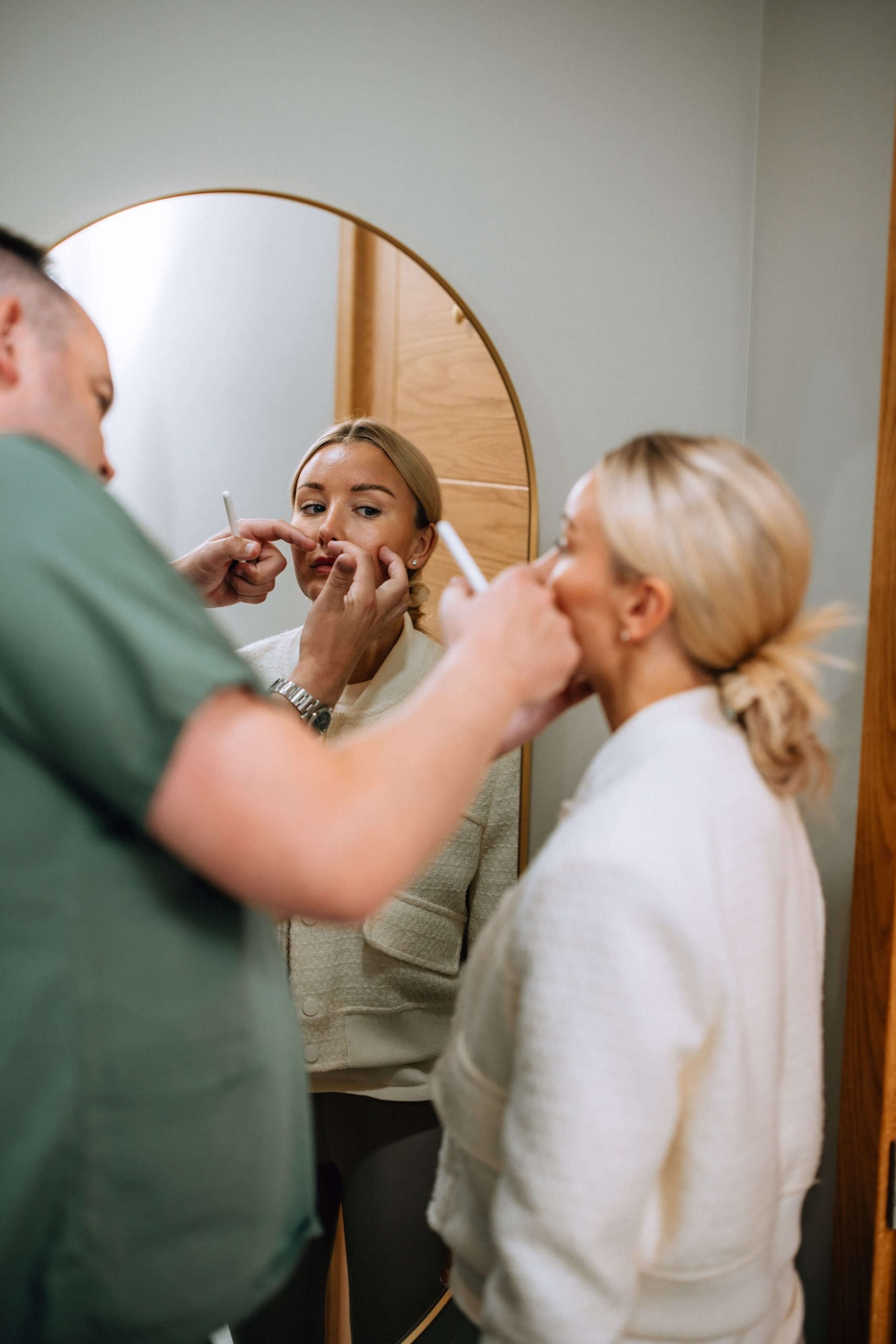
During your facelift consultation, you'll meet with your surgeon, who will carefully assess your individual needs and goals. Expect an in-depth discussion about your medical history, lifestyle and any concerns you may have regarding the ageing process. The surgeon will evaluate your facial anatomy, skin elasticity and overall health to determine the right approach for your procedure. Be prepared to share your aesthetic goals and ask questions about the surgery, recovery process and expected results. Your surgeon will explain the various techniques available and help you understand potential risks. They will also outline what to expect before, during and after the procedure. To prepare for the consultation, it's helpful to bring any relevant medical records, a list of medications you are currently taking and photos of your face from different angles to aid in the planning process. This consultation aims to make sure that you're well-informed and confident in your decision to move forward with a facelift.
Reflection
After your consultation you should take some time to reflect on what you discussed. There is a huge amount of information to absorb.
Consider the information provided about the procedure, potential risks, expected results and the surgeon's recommendations. Think about your goals and whether the plan aligns with your expectations for both appearance and recovery. It's normal to have mixed emotions, from excitement to uncertainty, so allow yourself the space to process the details. Ask the team any follow-up questions you have. A successful outcome starts with open communication and a well-informed decision, so take the time you need to feel confident and comfortable in your choice.
Preparation
Preparing for a facelift involves both physical and mental preparation to help you towards a good result and recovery. Prior to surgery, you'll undergo a thorough consultation with your surgeon, who will evaluate your medical history, discuss your goals and explain the procedure in detail. You may be asked to stop taking certain medications (such as blood thinners) and avoid smoking to reduce the risk of complications. Your surgeon may recommend specific skincare routines or treatments to optimise the condition of your skin. On the day of the surgery, make sure to arrange for a trusted friend or family member to accompany you, as you'll need assistance during your recovery. Following your surgeon's preoperative instructions carefully will help your healing.
Surgery
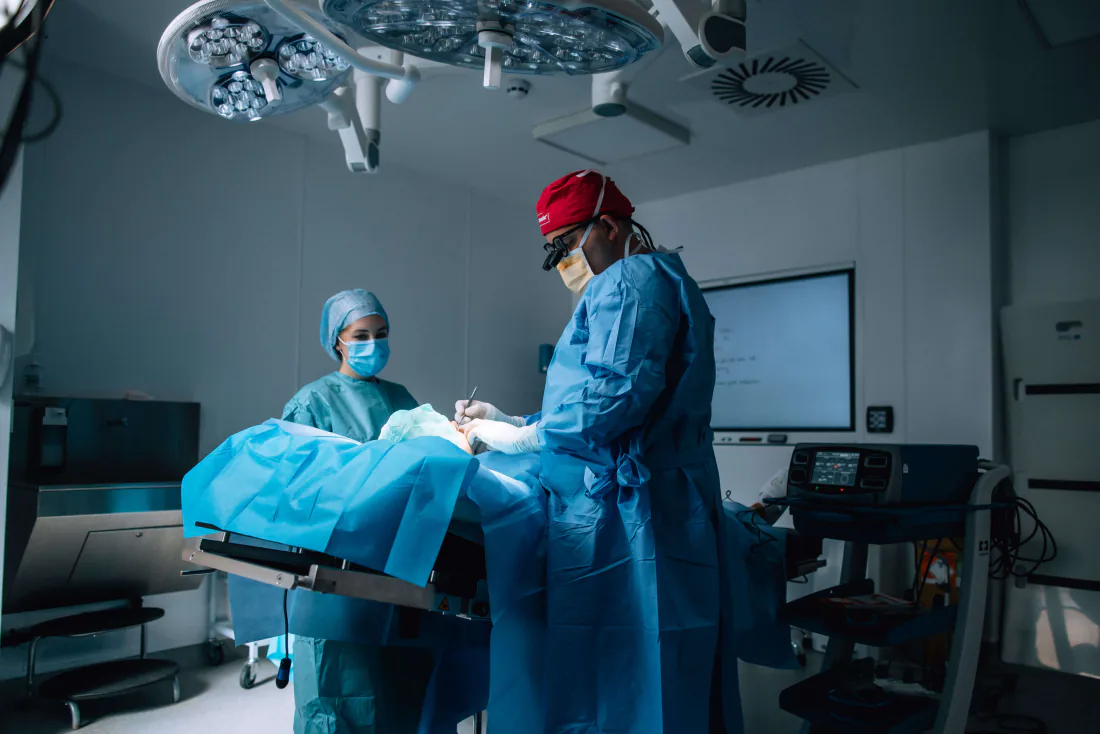
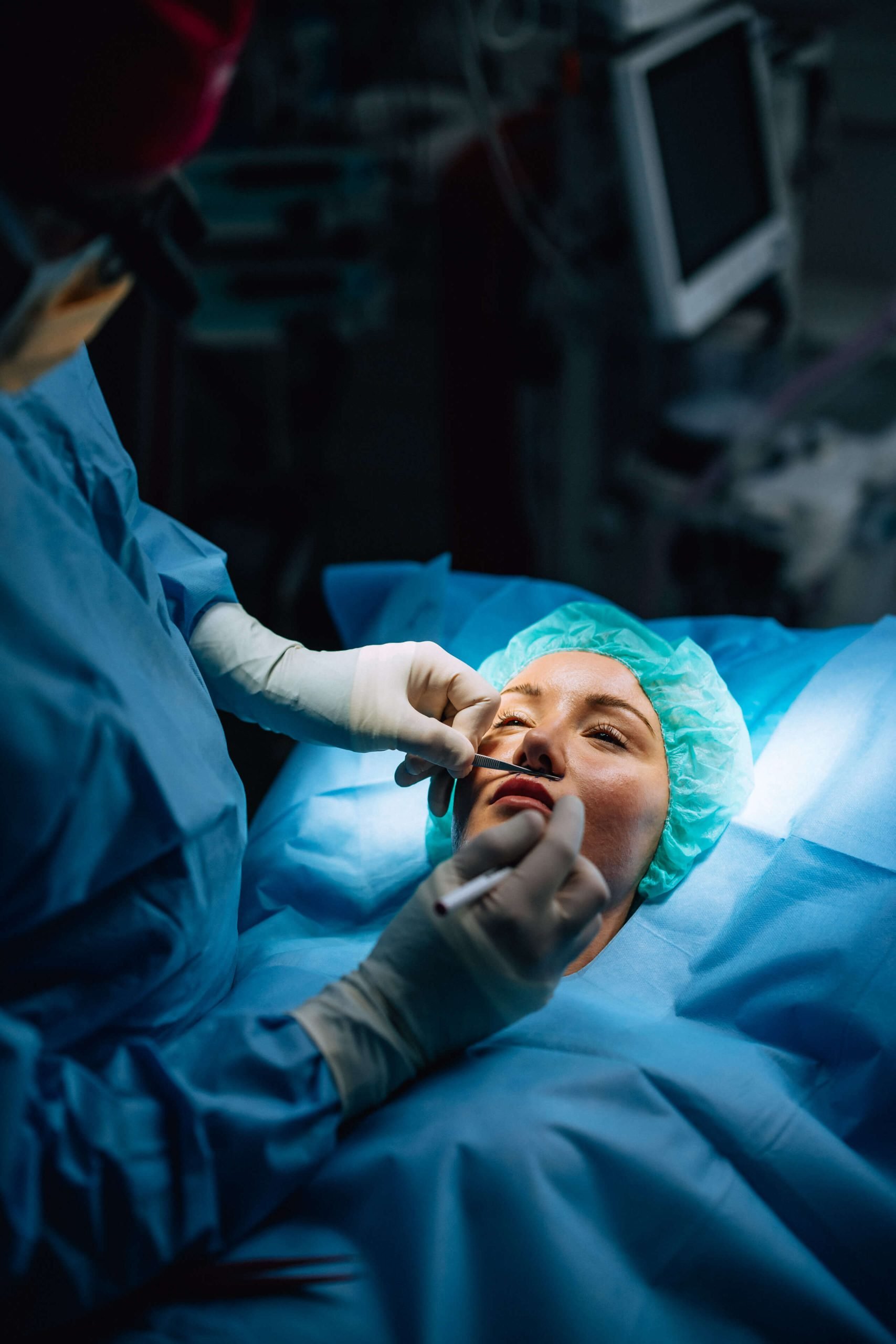
On the day of surgery you will be welcomed to the clinic by one of our expert team. You will be shown to your room and all the paperwork checked. You will meet the consultant anaesthetist, who will discuss that part of the operation with you. Mr West will come and go through any questions you have. He will take some pre-surgery photos and sign the consent form. When ready, you will be taken to the operating theatre.
A deep plane face and neck lift typically takes 4 to 5 hours. This increases with additional procedures. When you wake up in the recovery area, you will have a compression garment on your head and 2 drains behind your ears. It is quite normal to find talking and using your mouth difficult as the local anaesthetic will still be affecting the movement of your face.
The recovery team will keep checking that you are OK. When you feel ready, they will get you some food and a drink. Mr West and the consultant anaesthetist will come and check that you are recovering well and answer any questions you have about the operation.
Day case patients are typically discharged about 4 hours after surgery and their drains are removed before they go. Overnight patients are transferred to their room. All medications and post-op instructions will be provided before you are discharged.
Recovery
I always talk to my patients about both physical and emotional recovery after surgery. Although everyone recovers differently, this is the general advice I give to my patients.
After surgery you will look very strange and very swollen. Swelling typically peaks around 72 hours after surgery and then gradually subsides. Bruising usually takes a little longer to peak and subside. By 3 weeks most patients are professionally and socially presentable, such that you could go out in public without obvious signs of surgery.
At around days 4 to 7 after surgery it is very common for patients to have an emotional low. At this point in time you are often still looking very swollen and it is difficult to imagine how you are going to look. You often panic that this is how you will stay forever and question what your surgeon told you. This is all normal. Very quickly the swelling will start to resolve and you will begin to see the early results of the surgery. Quickly after, you will begin to feel better, both physically and emotionally.
By 2 to 3 weeks much of the early swelling will have settled and the bruising will have gone in most people. Your face will still feel tight and look puffy and this can be the case for many weeks. The neck, particularly the area under the chin, can take months to fully recover and resolve. For this reason, I say to patients that although you may see a big difference after 2 to 3 weeks, it can be 3 to 6 months before the full results are apparent.
You will be provided with full details of recommended post-operative care, including scar therapy, massage and the use of adjuncts such as hyperbaric oxygen.
Maintenance
To maximise the results and longevity of your facelift, you must continue to look after your face. Our team will advise you on what to do in the short, medium and long term to maintain your face. I work closely with expert skin medical professionals who I routinely refer my patients to for help in long-term maintenance after a facelift.
To maintain the results of a facelift and help them last, it's essential to follow a few key post-surgical guidelines. First, protect your skin from sun damage by wearing a broad-spectrum sunscreen every day. This helps slow further ageing and protect the skin's firmness. Staying hydrated and maintaining a healthy diet rich in antioxidants can support skin elasticity and overall wellness. Avoid smoking, as it accelerates ageing and can compromise skin healing. Regular skincare routines that include gentle cleansing, moisturising and anti-ageing products can also help your facelift last longer. Finally, staying active and managing stress through exercise or mindfulness can help you maintain a youthful, healthy appearance over time. Consistent care and a healthy lifestyle will help you enjoy the full benefits of your facelift.